
vehicles
Volkswagen ID. Buzz Coming to Canada: Release Date, Price, and Specs
Volkswagen is bringing the ID. Buzz electric van to Canada. Here is what we know about the release date, price, range, and whether it is the family EV Canadian buyers have been waiting for.
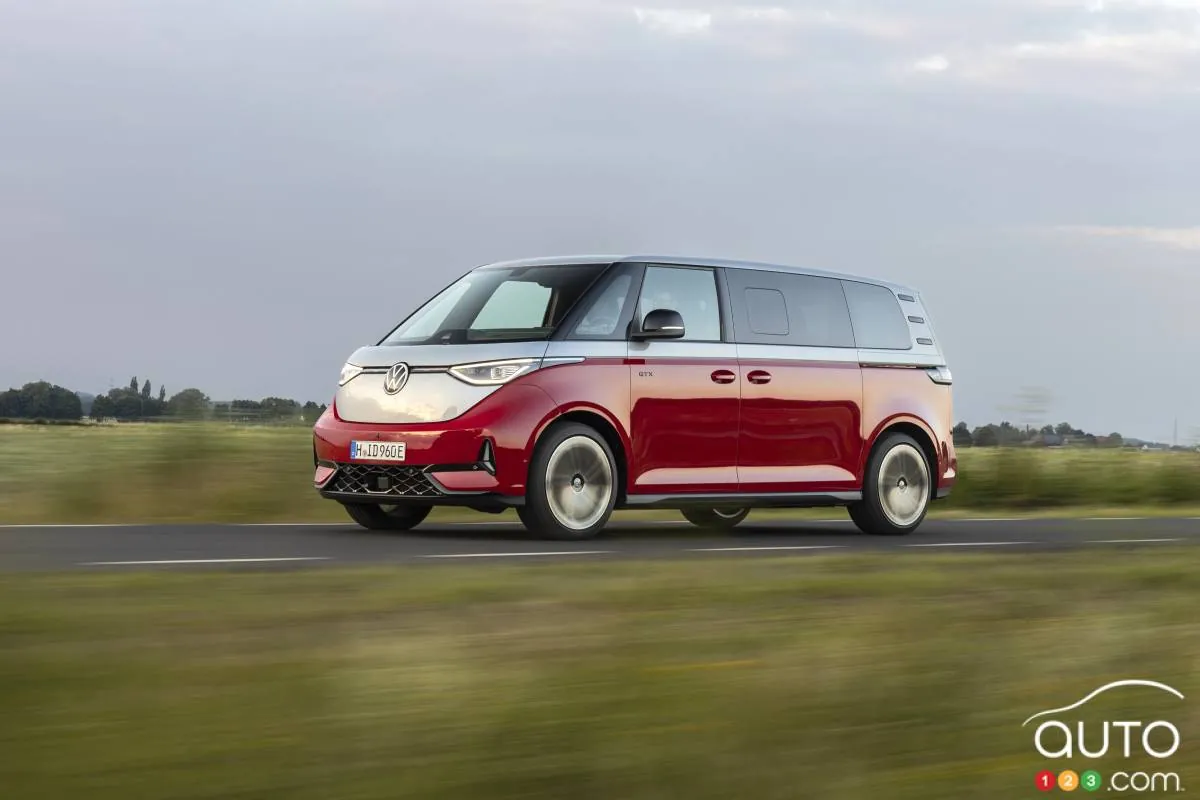
The Volkswagen ID. Buzz is finally confirmed for Canada, and its retro-inspired design has already generated more showroom interest than most electric vans. The ID. Buzz combines nostalgic styling with modern EV architecture, creating a vehicle that appeals to both design enthusiasts and practical family buyers. In 2026, Volkswagen is expected to begin Canadian sales of the longer-wheelbase Cargo and passenger models, which changes the small-van segment in a way Canada has not seen in decades.
What We Know About the Canadian ID. Buzz
The Canadian ID. Buzz will share its MEB platform with the ID.4 and related Volkswagen EVs, which means proven battery and drivetrain technology rather than unproven hardware. Volkswagen has confirmed a longer-wheelbase model for North America, with third-row seating and sliding doors that make it genuinely practical for families. The shorter SWB model will likely follow as a lower-price entry point, though Volkswagen has not yet confirmed timing for the second variant.
Range and Charging
Volkswagen has not released final Canadian range estimates, but European versions of the ID. Buzz with the 77-kWh battery deliver roughly 350 to 400 km of WLTP range. Real-world Canadian range will be lower in winter, especially for the passenger model with larger windows and heavier curb weight. DC fast charging at up to 170 kW should allow practical road trips, and home charging overnight with a Level 2 EVSE will handle daily use without difficulty.
Pricing and Positioning
Volkswagen has not announced Canadian pricing, but U.S. pricing for the ID. Buzz suggests a starting price in the mid-fifties before incentives. That places the ID. Buzz above the Hyundai Ioniq 5 and Kia EV6 but below luxury EVs. In Canada, federal and provincial rebates could bring the effective price closer to $50,000 for qualifying buyers, which would make it competitive with family crossovers. The passenger model with three rows will likely be priced above the cargo variant.
Why It Matters for Canada
The ID. Buzz enters a segment with almost no direct competition. The Honda Prologue and Chevrolet Equinox EV are crossovers, not vans, and the Toyota bZ4X offers different packaging. For buyers who need sliding doors, three rows, and a tall cargo area without sacrificing EV efficiency, the ID. Buzz fills a genuine gap. Its success in Canada will depend on pricing, parts availability, and whether Volkswagen can deliver a Canadian dealer experience that matches its European reputation.
Looking for EV deals, insurance, or financing? Check out our partner deals and offers.
If you found this guide helpful, use our Tesla referral link for free Supercharging credits on a new Tesla purchase or lease in Canada.
Next story · swipe left
Next story
Tesla discontinues its Solar Roof tiles, not economically viable
3 min read
Tesla has quietly discontinued its Solar Roof tiles, a product once touted as a seamless and aesthetically pleasing alternative to traditional solar…
The Charge Brief
Get Canada’s EV transition in your inbox
One email a day. No spam, unsubscribe anytime.