
technology
teslaTesla discontinues its Solar Roof tiles, not economically viable
Tesla has quietly discontinued its Solar Roof tiles, a product once touted as a seamless and aesthetically pleasing alternative to traditional solar…
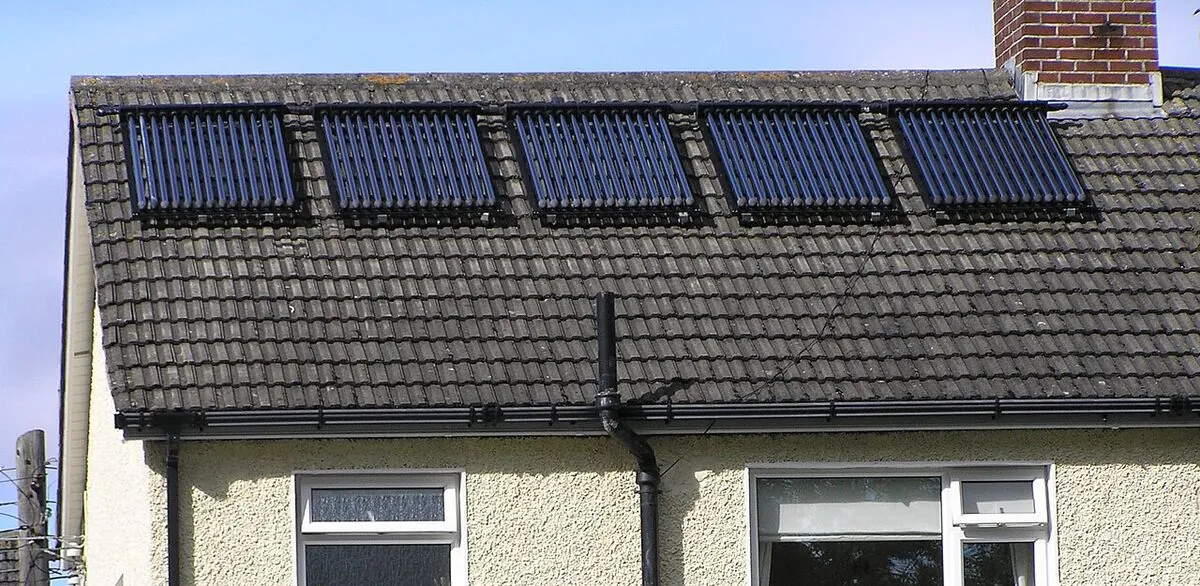
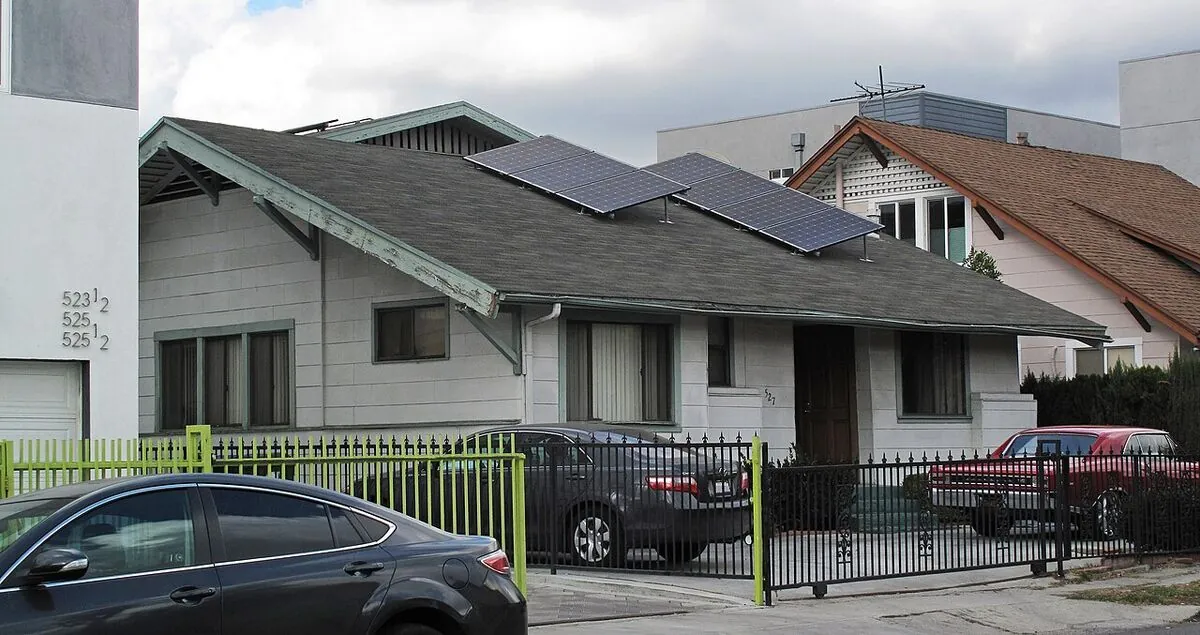
Tesla has quietly discontinued its Solar Roof tiles, a product once touted as a seamless and aesthetically pleasing alternative to traditional solar panels, according to reports from Electrek. The company has informed third-party installers that it will no longer supply the solar roof tiles, shifting its focus exclusively to conventional solar panels. The move marks the end of a high-profile but troubled venture into integrated solar roofing, leaving Canadian homeowners and renewable energy enthusiasts with fewer options in the premium solar market.
The End of Tesla’s Solar Roof Ambitions
Tesla’s Solar Roof, first unveiled in 2016, promised a revolutionary approach to residential solar energy. Unlike bulky solar panels mounted on top of existing roofs, the Solar Roof consisted of tempered glass tiles with embedded solar cells, designed to blend seamlessly with traditional roofing materials. The product was marketed as a durable, long-lasting solution that could generate clean energy while maintaining a sleek, modern appearance.
However, the Solar Roof faced numerous challenges from the outset. Production delays, high costs, and installation complexities plagued the product, leading to slow adoption. In Canada, where solar incentives vary by province and weather conditions can be harsh, the Solar Roof’s premium pricing—often exceeding $100,000 CAD for an average-sized home—made it a niche product at best. Reports suggest that Tesla struggled to scale production efficiently, and the economic viability of the product never met expectations.
What This Means for Canadian Solar Customers
For Canadian homeowners considering Tesla’s solar solutions, the discontinuation of the Solar Roof tiles means that only traditional solar panels will remain available through Tesla’s energy division. While Tesla’s solar panels are still a viable option, they lack the integrated aesthetic appeal that the Solar Roof offered. Competitors in Canada, such as SunPower and local installers, may now have an opportunity to fill the gap for those seeking a more visually discrete solar solution.
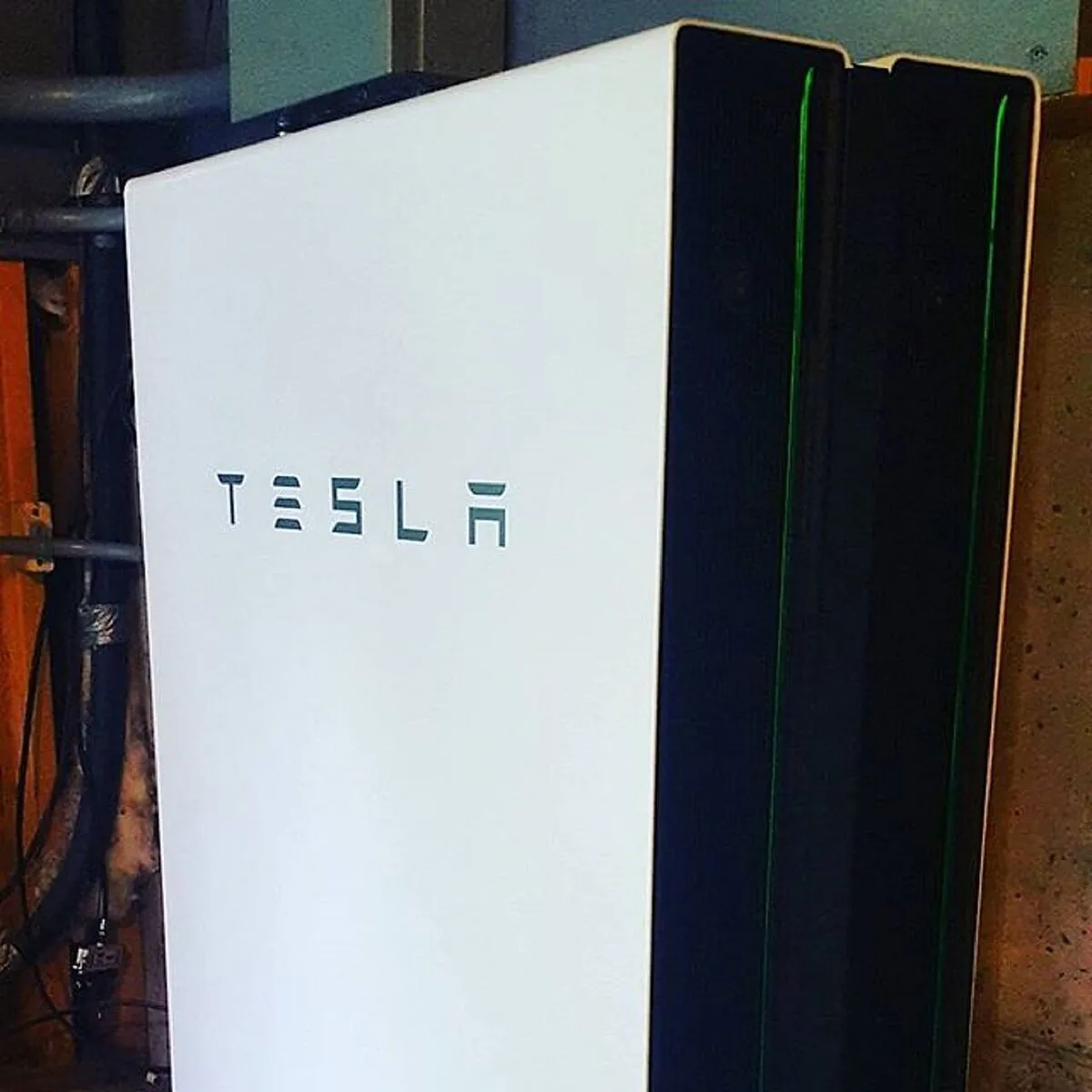
The decision also raises questions about Tesla’s long-term commitment to its energy division, which has seen fluctuating priorities under CEO Elon Musk. In recent years, Tesla has shifted focus heavily toward electric vehicles, battery storage, and AI, with its energy products often taking a backseat. For Canadians invested in Tesla’s ecosystem—such as those with Powerwall battery systems—the company’s solar offerings may now be limited to more conventional, if less innovative, options.
Industry Reaction and Future Outlook
Industry analysts have long speculated about the viability of Tesla’s Solar Roof. While the concept was groundbreaking, the execution proved difficult. The product required specialized installation, often involving full roof replacements, which drove up costs and limited its appeal. In Canada, where solar adoption is growing but still lagging behind other renewable energy sources, the loss of the Solar Roof may have minimal immediate impact but signals a setback for premium solar innovation.
Tesla has not yet issued an official statement on the discontinuation, but the move aligns with the company’s pattern of discontinuing products that do not meet financial or operational targets. For now, Canadian customers interested in Tesla’s solar solutions will need to turn to its traditional panel offerings—or look to competitors for integrated solar roofing alternatives.
As the electric vehicle and renewable energy markets continue to evolve, Tesla’s decision underscores the challenges of balancing innovation with economic reality. For Canadian consumers, the message is clear: while Tesla remains a leader in EVs and energy storage, its solar ambitions may be narrowing—at least for the foreseeable future.
Looking for EV deals, insurance, or financing? Check out our partner deals and offers.
If you found this guide helpful, use our Tesla referral link for free Supercharging credits on a new Tesla purchase or lease in Canada.
Next story · swipe left
Next story
R.R. Plett Trucking Installs Canada's First Tesla MCS Chargers in B.C.
5 min read
British Columbia's R.R. Plett Trucking is adding two 1.2 MW Tesla Megawatt Charging System chargers at Langley and Kamloops — the first MCS installations in Canada, built to support a 12-Tesla-Semi fleet.
The Charge Brief
Get Canada’s EV transition in your inbox
One email a day. No spam, unsubscribe anytime.