

industry
teslaTesla Semi's European Reveal Puts Canadian Fleet Electrification Back in the Spotlight
Tesla confirms the Semi's European debut at IAA. Canadian trucking fleets — with some of the longest hauls and harshest winters — offer a stiffer test of electric trucking than Europe's corridors.
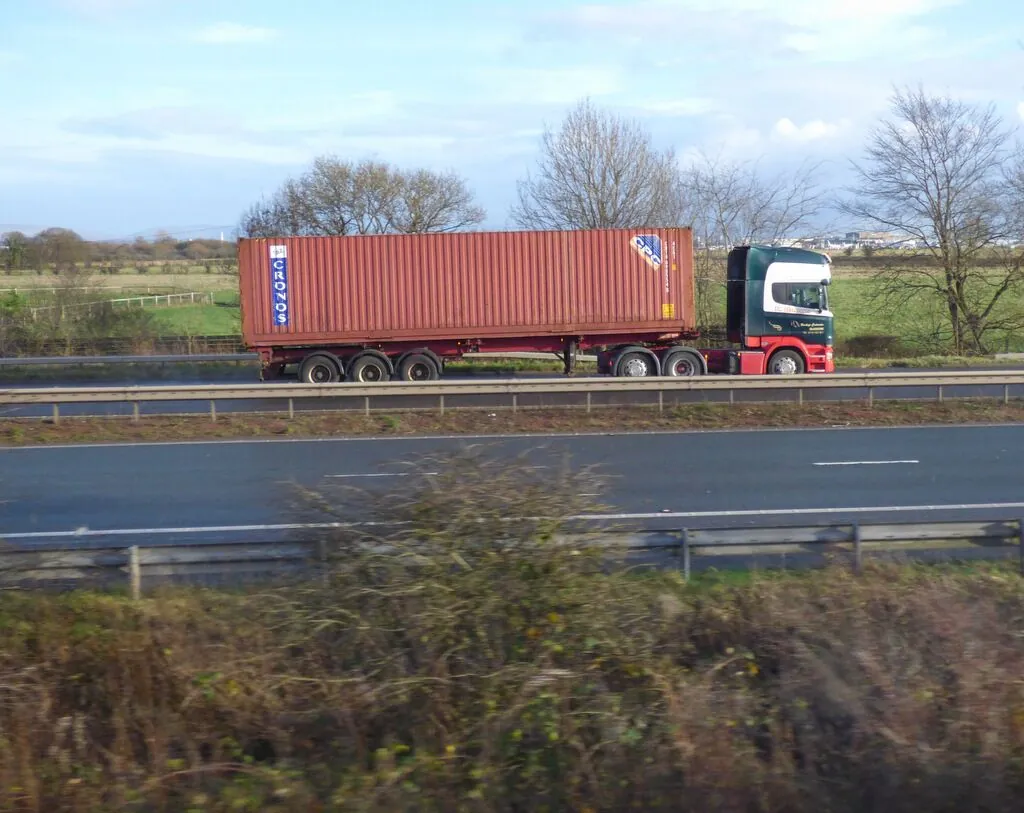
Tesla has confirmed the Semi electric truck is headed to Europe, with full launch details promised at the IAA Transportation show in September. The confirmation ends a long silence about the program and signals that Tesla believes the Class 8 machine is ready for a market beyond its pilot fleets in North America.
For the Canadian trucking industry — which moves the majority of its freight by road and runs some of the longest, coldest, heaviest routes on the continent — the Semi's next chapter is worth watching closely. Because if electric trucking can work anywhere, the argument goes, it should be tested here.
What the Semi has proven so far
PepsiCo, the Semi's anchor customer, has run fleets in California and — crucially for Canada — a winter trial in the Pacific Northwest with cold-weather data Tesla has cited publicly. The truck's value proposition is efficiency per kilometre, not top speed: fewer moving parts, regenerative braking on descent, and energy costs that undercut diesel when charged off-peak. The 800-volt architecture and megawatt-class charging are the parts competitors are now scrambling to match.
Why Canada is a harder exam
European trucking corridors are dense, regulated, and comparatively short. A Hamburg-to-Munich run is a rounding error next to Toronto to Winnipeg. Canadian fleets also load heavier — with winter weights and B-trains common in several provinces — and operate through -30°C stretches that carve anywhere from 20 to 35 percent out of any battery's range. Cold-weather data from pilot fleets matters more here than in almost any other market.
The quiet Canadian head start
Canada already hosts one of the more interesting heavy-electric experiments on the continent: the Quebec City–Toronto corridor has attracted early fleet trials, and Canadian carriers like Metro Inc. have run electric trucks in grocery distribution — precisely the short, fixed-route, return-to-base duty cycle where battery trucks excel today. The economics are clearest when the truck sleeps at the same depot every night, where a fleet can charge on its own meter during off-peak hours.
That is the realistic near-term picture for Canadian fleets: electric trucks take the predictable regional routes first — distribution, drayage, grocery, beverage — while diesel retains the long transcontinental hauls. The Semi's European launch will be a technical milestone. The Canadian one, whenever it arrives in volume, will be an economic one.
Looking for EV deals, insurance, or financing? Check out our partner deals and offers.
If you found this guide helpful, use our Tesla referral link for free Supercharging credits on a new Tesla purchase or lease in Canada.
Next story · swipe left
Next story
Porsche adds Plug & Charge access to Tesla Superchargers in Canada
4 min read
Porsche EV owners in Canada can now use Plug & Charge at Tesla Superchargers for automatic authentication and billing on Macan Electric and 2026 Taycan.
The Charge Brief
Get Canada’s EV transition in your inbox
One email a day. No spam, unsubscribe anytime.