
infrastructure
chargingColorado's largest electric school bus fleet gets a 26-plug charging hub
Colorado’s largest electric school bus fleet adds a 26‑plug charging hub to keep 28 zero‑emission buses on the road By [Your Name], Tesla News Canada…
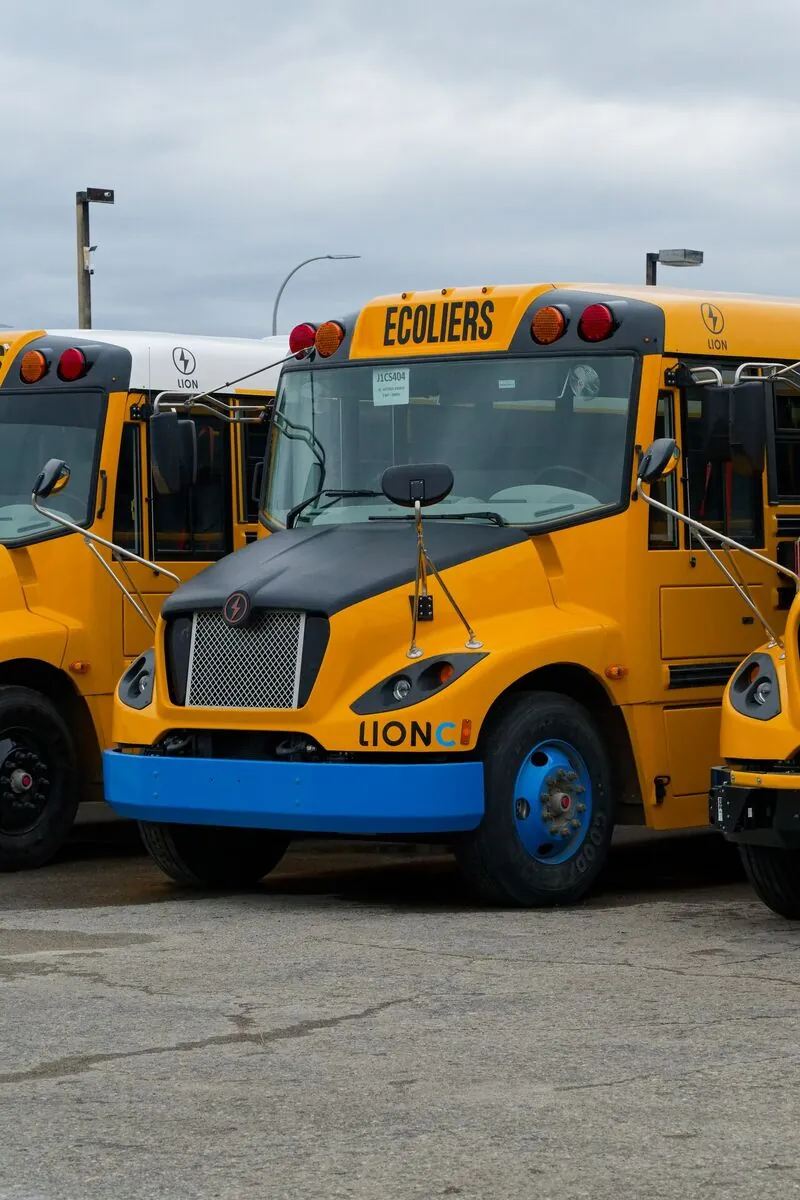
Colorado’s largest electric school bus fleet adds a 26‑plug charging hub to keep 28 zero‑emission buses on the road
By [Your Name], Tesla News Canada
August 20, 2026
A suburban school district just outside Denver has unveiled a new 26‑plug charging depot that will service its growing fleet of 28 electric school buses — the largest all‑electric school‑bus operation in the state. The hub, built on the district’s transportation campus, is designed to recharge the buses overnight and during midday layovers, ensuring they can complete their daily routes without range anxiety. While the project is rooted in Colorado, its scale and technology offer useful lessons for Canadian districts weighing similar electrification pushes.
The charging hub in detail
The facility consists of 26 Level 2 AC chargers, each capable of delivering up to 19.2 kW (approximately 80 A at 240 V). According to the district’s transportation director, the chargers are networked through a smart energy‑management system that staggers charging to avoid peak‑demand charges and to balance load with the local utility’s renewable‑energy portfolio.
Each bus in the fleet is a Blue Bird Vision Electric model equipped with a 155 kWh lithium‑iron‑phosphate battery pack, giving it a rated range of up to 210 km on a single charge — sufficient for most suburban routes that average 80–120 km per day. The hub’s 26 plugs allow the district to charge more than half the fleet simultaneously, with the remaining buses topped up during driver breaks or after school.
The project was financed through a combination of state clean‑transport grants, a federal EPA Clean School Bus Program award, and a modest contribution from the district’s capital budget. Total installed cost was reported at roughly US$1.2 million, which translates to about CAD 1.6 million at current exchange rates.
Canadian context: where do we stand?
Electric school buses are still a nascent but growing segment in Canada. As of early 2026, Transport Canada’s Zero‑Emission Vehicle Infrastructure Program (ZEVIP) has funded over 150 electric school buses across provinces, with notable fleets in Quebec (Lion Electric’s LionC bus), Ontario (Toronto District School Board’s pilot of 12 buses), and British Columbia (Surrey School District’s 20‑bus order).
Charging infrastructure, however, lags behind vehicle deployment. Most Canadian pilots rely on depot‑level Level 2 chargers similar to Colorado’s hub, but few have reached the 20‑plus‑plug scale. For example, the Ontario Electric School Bus Initiative announced in 2024 plans to install 12‑plug stations at three Toronto depots, each costing approximately CAD 800 k. Colorado’s 26‑plug hub therefore represents a step up in density, showing how a single, well‑managed depot can serve a larger fleet without needing multiple dispersed stations.
From a cost perspective, Canadian districts often cite higher upfront expenses due to colder climates that necessitate battery‑thermal‑management systems and potentially larger battery packs to maintain range in winter. Nevertheless, operating‑cost savings — estimated at 30‑40 % lower fuel and maintenance expenses per mile — remain compelling. A 2025 study by the Canadian Urban Transit Research & Innovation Consortium (CUTRIC) projected that a typical 12‑bus electric fleet in Manitoba could break even on charging‑infrastructure investment within six years when factoring in reduced diesel fuel prices and available provincial rebates.
Implications for fleet operators
The Colorado hub illustrates three takeaways that resonate north of the border:
-
Scalable depot charging – By concentrating a high number of plugs at a single location, operators can simplify grid interconnection, leverage demand‑response programs, and reduce the civil‑works footprint compared with installing many smaller stations spread across multiple sites.
-
Smart load management – The district’s use of a networked energy‑management platform mirrors approaches being tested by Hydro‑Québec and BC Hydro, where chargers communicate with the utility to shift load to off‑peak hours or absorb excess wind/solar generation. Such systems can mitigate the risk of peak‑demand charges, a concern frequently raised by Canadian school boards.
Looking for EV deals, insurance, or financing? Check out our partner deals and offers.
If you found this guide helpful, use our Tesla referral link for free Supercharging credits on a new Tesla purchase or lease in Canada.
Next story · swipe left
Next story
Tesla Cybercab Launch Event Set for September 3 in Austin: What We Know
5 min read
Tesla is sending invitations for a September 3 Cybercab launch event in Austin, Texas — the purpose-built robotaxi with no steering wheel or pedals. Here is what is confirmed, and what it means for Canada.
The Charge Brief
Get Canada’s EV transition in your inbox
One email a day. No spam, unsubscribe anytime.