
deals
Canadian EV Buyers Guide 2026: Top Picks and Tips
Canadian EV buyers guide for 2026 — top models, pricing, incentives, range, charging, and which EV makes the most sense for Canadian climates and driving patterns.
Buying an EV in Canada in 2026 requires balancing federal and provincial incentives, vehicle range, charging access, winter performance, and resale confidence. The market has matured to the point where most buyers can find an EV that matches their lifestyle without major compromises, but the sheer number of models available — combined with complex incentive eligibility rules — makes research essential before visiting a dealership. This guide distils the current landscape into actionable recommendations for Canadian buyers in 2026.
Top EV Picks for Canada
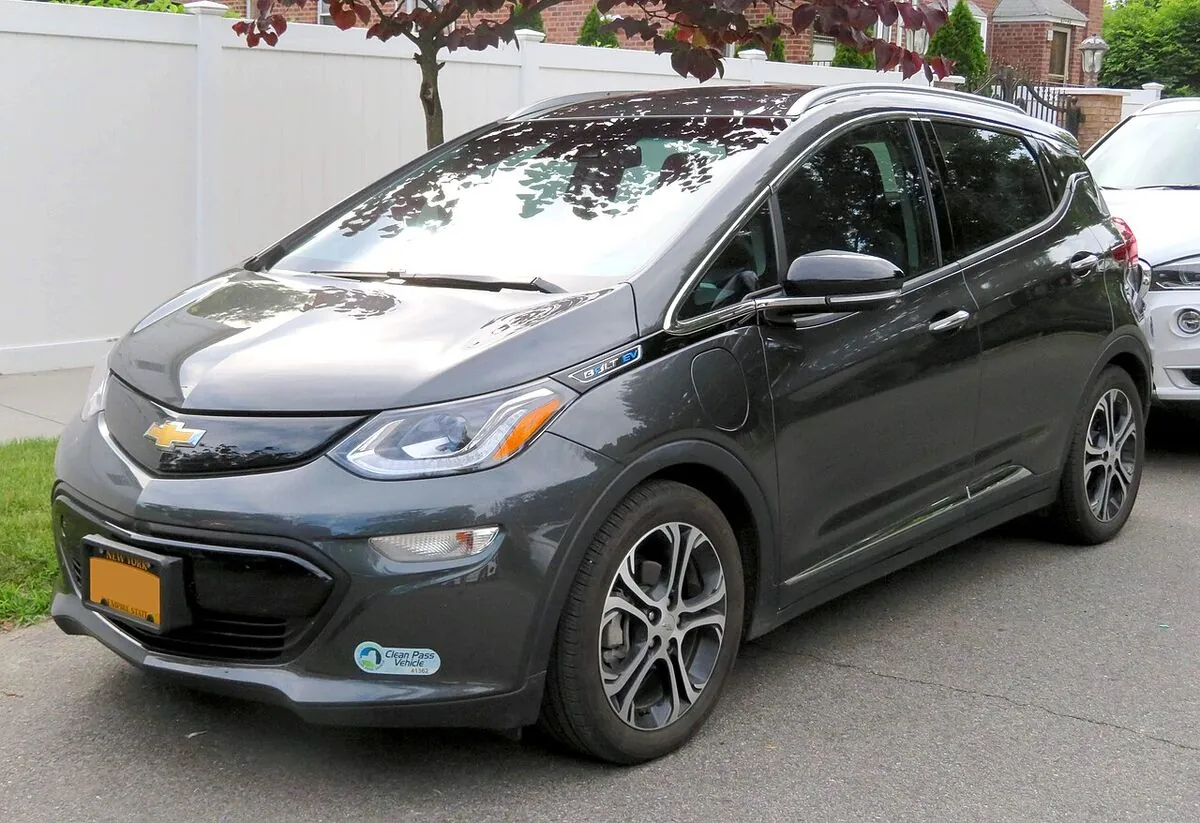
The Tesla Model Y remains the default recommendation for Canadian buyers who want proven range, reliable charging access, and strong resale value. The Hyundai Ioniq 5 and Kia EV6 offer comparable efficiency with more traditional SUV layouts, better warranty coverage, and lower purchase prices before incentives. The Chevrolet Bolt is being discontinued, which makes remaining inventory attractive for budget buyers but risky for long-term ownership confidence. The Ford F-150 Lightning leads the electric truck segment for fleet and lifestyle buyers who need conventional pickup utility with EV running costs.
Incentives and Rebates
The federal EVAP rebate (up to $5,000 for battery-electrics, $2,500 for plug-in hybrids) and provincial programs in PEI, Manitoba, Yukon, Quebec, and the Northwest Territories can reduce EV purchase prices by 7,000 to 12,500 dollars depending on vehicle type and where you live. The Northwest Territories now pays the richest provincial or territorial incentive at up to $7,500, while Ontario, British Columbia, Alberta, and Saskatchewan offer no purchase rebate at all. Buyers should verify current eligibility rules before purchasing because qualifying vehicle lists and income thresholds change as programs are updated. Some dealers apply rebates at point of sale, which simplifies the purchase process; others require buyers to claim rebates after delivery.
Charging at Home
Buyers who can install a Level 2 charger at home will have the best EV ownership experience in Canada. Overnight charging at residential rates costs less than public charging in every province, and a full charge is ready each morning without routing to public stations. Condo and apartment residents should investigate building charging access before purchasing, because the absence of dedicated parking or charger infrastructure is the most common reason for EV ownership dissatisfaction in urban Canada.
Winter Preparation
Canadian buyers should prioritise EVs with heat pumps, thermal battery management, and cold-weather preconditioning because these features preserve winter range and charging speed. AWD variants add traction on snow and ice but reduce range by 10 to 15 percent compared to RWD models, which buyers should factor into route planning. Winter tires rated for EV torque and weight are essential, and buyers should budget for seasonal tire storage and mounting in provinces with mandatory winter tire periods.
Looking for EV deals, insurance, or financing? Check out our partner deals and offers.
If you found this guide helpful, use our Tesla referral link for free Supercharging credits on a new Tesla purchase or lease in Canada.

Next story · swipe left
Next story
Nissan's $34,998 Leaf S Undercuts Every New EV in Canada — 341 km Range, NACS Port, Rebate Eligible
4 min read
Nissan Canada's 2027 Leaf S brings a 53 kWh battery, 341 km of range and a $34,998 price — over $10,000 below the next trim up and the cheapest new EV in Canada after the federal rebate. DoubleClutch reports the base trim Nissan once cancelled is happening after all.
The Charge Brief
Get Canada’s EV transition in your inbox
One email a day. No spam, unsubscribe anytime.