
deals
Princeton Critical Minerals Raises $16M to Scale Lithium Production Technologies
Tesla’s Battery Supply Chain Gets a Boost as Princeton Spinout Secures $16M for Lithium Innovation Princeton Critical Minerals raises new funding to…
Tesla’s Battery Supply Chain Gets a Boost as Princeton Spinout Secures $16M for Lithium Innovation
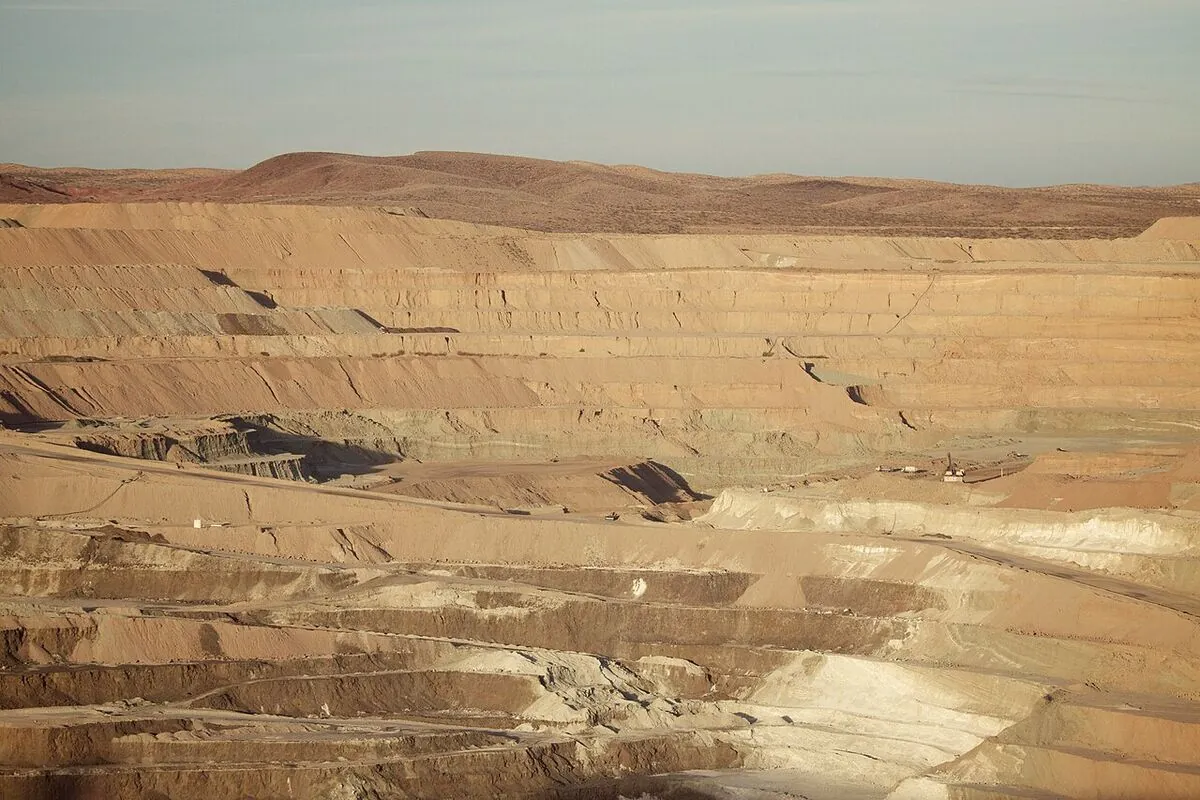
Princeton Critical Minerals raises new funding to commercialize brine-based lithium extraction, a technology that could reduce North American battery supply chain bottlenecks—potentially benefiting Canadian EV makers like Tesla.
A Princeton University spinout has taken a significant step toward reshaping the North American lithium supply chain. Princeton Critical Minerals (PCM), a New Jersey-based startup developing advanced brine-based lithium extraction technology, has raised $16 million in new funding to scale its operations in the United States and South America. The announcement, made earlier this week, underscores growing investor confidence in alternative lithium production methods that could help reduce reliance on foreign supply chains—an issue of growing importance to Canadian automakers and EV manufacturers.
The funding round, led by venture capital and strategic investors, will enable PCM to expand commercial deployments of its patented technology, which uses a proprietary process to extract lithium from underground brine deposits more efficiently and with a smaller environmental footprint than traditional hard-rock mining. According to company statements, the platform can produce high-purity lithium hydroxide or lithium carbonate suitable for use in electric vehicle (EV) batteries—including those used in Tesla’s vehicles.
For Canadian readers, this development carries particular significance. Canada is home to vast mineral resources and a rapidly growing EV manufacturing sector, with Tesla operating its Gigafactory in Austin, Texas, and exporting vehicles across North America. While Canada itself has significant lithium resources—particularly in Quebec, Ontario, and the Northwest Territories—domestic processing and extraction capabilities remain underdeveloped. Most Canadian lithium is currently exported raw or sent abroad for refinement.
PCM’s technology offers a potential solution by enabling local lithium production from brine sources, which are abundant in regions such as Nevada and potentially in Canada’s sedimentary basins. The company claims its method reduces water usage by up to 90% compared to conventional evaporation ponds and minimizes land disturbance, addressing key environmental concerns often raised about lithium mining.
“This technology could be a game-changer for North America’s battery supply chain,” said Dr. Emily Chen, an energy analyst at Clean Energy Canada. “As Tesla and other automakers scale production, securing stable, sustainable, and ethically sourced lithium is critical. Innovations like brine extraction could help Canada and the U.S. build a more resilient supply chain closer to home.”
Canada has already taken steps to strengthen its critical minerals strategy, with the federal government investing over $3.8 billion since 2021 to support domestic production of lithium, cobalt, nickel, and graphite—key components in EV batteries. In March 2024, Natural Resources Canada identified lithium as a “priority mineral” under the Critical Minerals Strategy, aiming to position the country as a global leader in clean energy supply chains.
However, commercializing new extraction technologies remains a challenge. Despite Canada’s mineral wealth, regulatory approvals, environmental assessments, and infrastructure development can slow project timelines. PCM’s focus on proven brine deposits in the U.S. and South America may allow faster deployment initially, but the company has indicated interest in exploring opportunities in Canada as the technology matures.
Tesla, which sources lithium for its U.S. battery gigafactories from suppliers including Piedmont Lithium in North Carolina, has emphasized the need for sustainable and diversified supply chains. In its 2023 Impact Report, Tesla noted that securing responsibly sourced materials is essential to meeting its sustainability targets.
“Every part of the battery supply chain matters—from mining to manufacturing,” said a Tesla spokesperson. “We welcome innovations that can deliver high-quality, low-impact lithium at scale, especially when they align with our goals for reducing emissions and increasing transparency.”
PCM’s $16 million raise comes amid a broader surge in investment in lithium extraction technologies. Earlier this year, the U.S. Department of Energy announced $2.8 billion in grants to accelerate domestic battery material processing, including lithium. Meanwhile, Canadian companies like Lithium Canada Development Corp. and Avalon Advanced Materials continue to advance lithium projects, though most are still in early stages.
For Canadian consumers and policymakers, the success of companies like PCM could mean more stable EV battery prices, reduced shipping emissions, and a stronger domestic supply chain. With Quebec and Ontario emerging as hubs for battery manufacturing—including Volkswagen’s new plant in Ontario and GM’s Ultium Cells partnership—local access to processed lithium will become increasingly vital.
While PCM’s immediate focus is on the U.S. and South America, the company’s technological approach may eventually find a home in Canada’s sedimentary basins, particularly in regions like the St. Lawrence Lowlands or Manitoba’s Williston Basin, where brine-rich formations are present.
As the global race for lithium intensifies, innovations in extraction technology will play a pivotal role in determining which countries lead the clean energy transition. With this new funding, PCM is positioning itself—and potentially Canada’s future supply chain—at the forefront of that effort.
Looking for EV deals, insurance, or financing? Check out our partner deals and offers.
If you found this guide helpful, use our Tesla referral link for free Supercharging credits on a new Tesla purchase or lease in Canada.
Next story · swipe left
Next story
Communities Are Funding Canada's EV Destiny Through Vehicle-to-Grid Bonds
5 min read
Corporate Knights reports community finance is stepping up where federal policy fell short — EcoCharge raised $1.1M for Quebec fast chargers, V2G pilots show $310B utility savings potential, Indigenous 'electric highway' retains 100% charging revenue.
The Charge Brief
Get Canada’s EV transition in your inbox
One email a day. No spam, unsubscribe anytime.