
deals
salesSunrun Shifts Away from Affiliates to Direct Sales
Sunrun, the leading residential solar installer in the U.S., is making a strategic pivot that could reshape its business model—and may have implications…
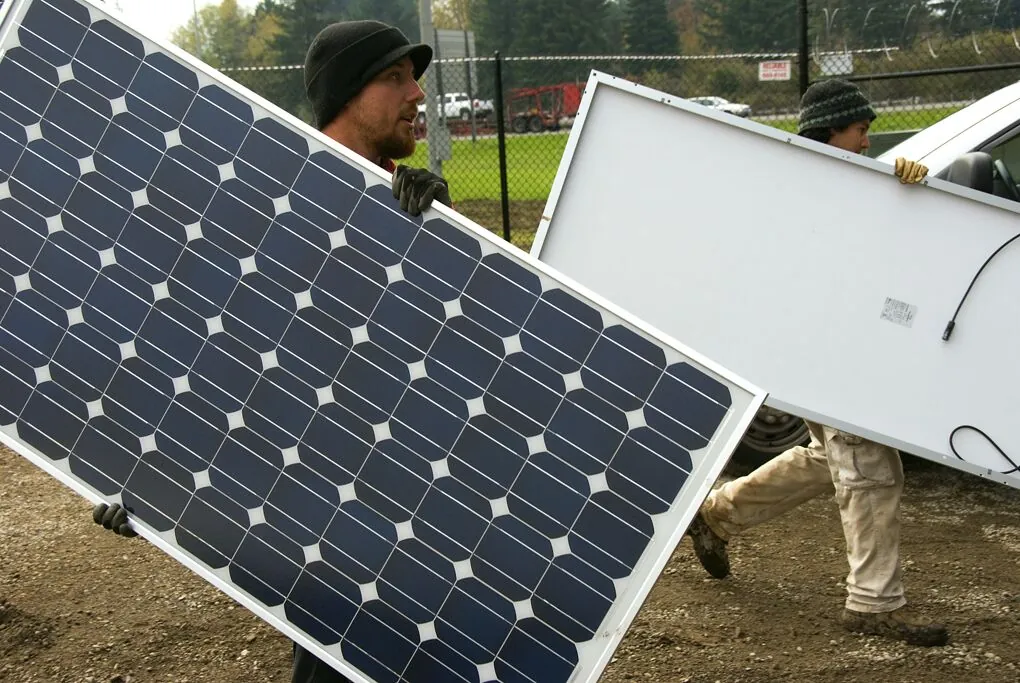
Sunrun, the leading residential solar installer in the U.S., is making a strategic pivot that could reshape its business model—and may have implications for Canada’s growing solar market. The company has announced it will shift away from its affiliate-based sales network, which has historically driven a significant portion of its customer acquisitions, in favor of a direct-to-consumer approach.
This move comes as Sunrun faces mounting pressure to improve efficiency and profitability amid rising competition and evolving consumer preferences. While Tesla’s SolarCity once dominated the U.S. rooftop solar sector, Sunrun has held the top spot in recent years. However, the company’s reliance on third-party affiliates—who often operate as independent contractors—has led to higher customer acquisition costs and inconsistent service quality, according to industry analysts.
Why the Shift?
Sunrun’s affiliate model, which accounted for roughly 30% of its installations in recent years, has been a double-edged sword. On one hand, it allowed rapid expansion with lower upfront capital. On the other, it introduced variability in customer experience, as affiliates prioritized volume over long-term satisfaction. By moving to direct sales, Sunrun aims to streamline operations, reduce costs, and improve brand control—a lesson Tesla learned the hard way after scaling back its own solar division.
The shift also reflects broader industry trends. As solar adoption matures, companies are under pressure to cut soft costs (like marketing and sales) to remain competitive. Direct sales allow for better data integration, more predictable pricing, and stronger customer relationships—factors that could be crucial as Sunrun explores expansion into new markets, including Canada.
What This Means for Canada
While Sunrun does not currently operate in Canada, its strategic moves are worth watching for Canadian solar consumers and industry players. Canada’s residential solar market is smaller than the U.S. but growing rapidly, particularly in provinces with strong net-metering policies like Ontario, British Columbia, and Nova Scotia.
If Sunrun—or a similar U.S.-based installer—were to enter Canada, a direct-sales model could help navigate the country’s fragmented regulatory landscape. Unlike the U.S., where policies vary by state, Canada’s solar incentives and interconnection rules differ by province, requiring a more hands-on, localized approach. A direct sales force could better adapt to these nuances, offering tailored solutions for Canadian homeowners.
Additionally, Tesla’s reduced focus on solar in Canada (following its global pullback from the sector) leaves room for competitors. Sunrun’s potential entry—especially with a more efficient, direct-to-consumer model—could intensify competition, driving better pricing and service for Canadian consumers.
Industry Reactions and Outlook
Analysts are divided on whether Sunrun’s gambit will pay off. Some argue that direct sales could alienate existing affiliates who have deep local roots, while others believe the long-term benefits of brand consistency and cost control will outweigh short-term disruptions.
For now, Sunrun’s move signals a maturing solar industry, where scale and efficiency are becoming just as important as rapid growth. If successful, this strategy could serve as a blueprint for other installers—both in the U.S. and potentially in Canada—looking to optimize their operations in a competitive market.
Canadian solar watchers should keep an eye on how this plays out south of the border. If Sunrun’s direct-sales model proves effective, it may only be a matter of time before similar strategies—and possibly the company itself—make their way north.
Looking for EV deals, insurance, or financing? Check out our partner deals and offers.
If you found this guide helpful, use our Tesla referral link for free Supercharging credits on a new Tesla purchase or lease in Canada.
Next story · swipe left
Next story
Ferrari Luce Heads to TIFF After Quebec Debut: Canada's First Electric Ferrari Tour Starts
4 min read
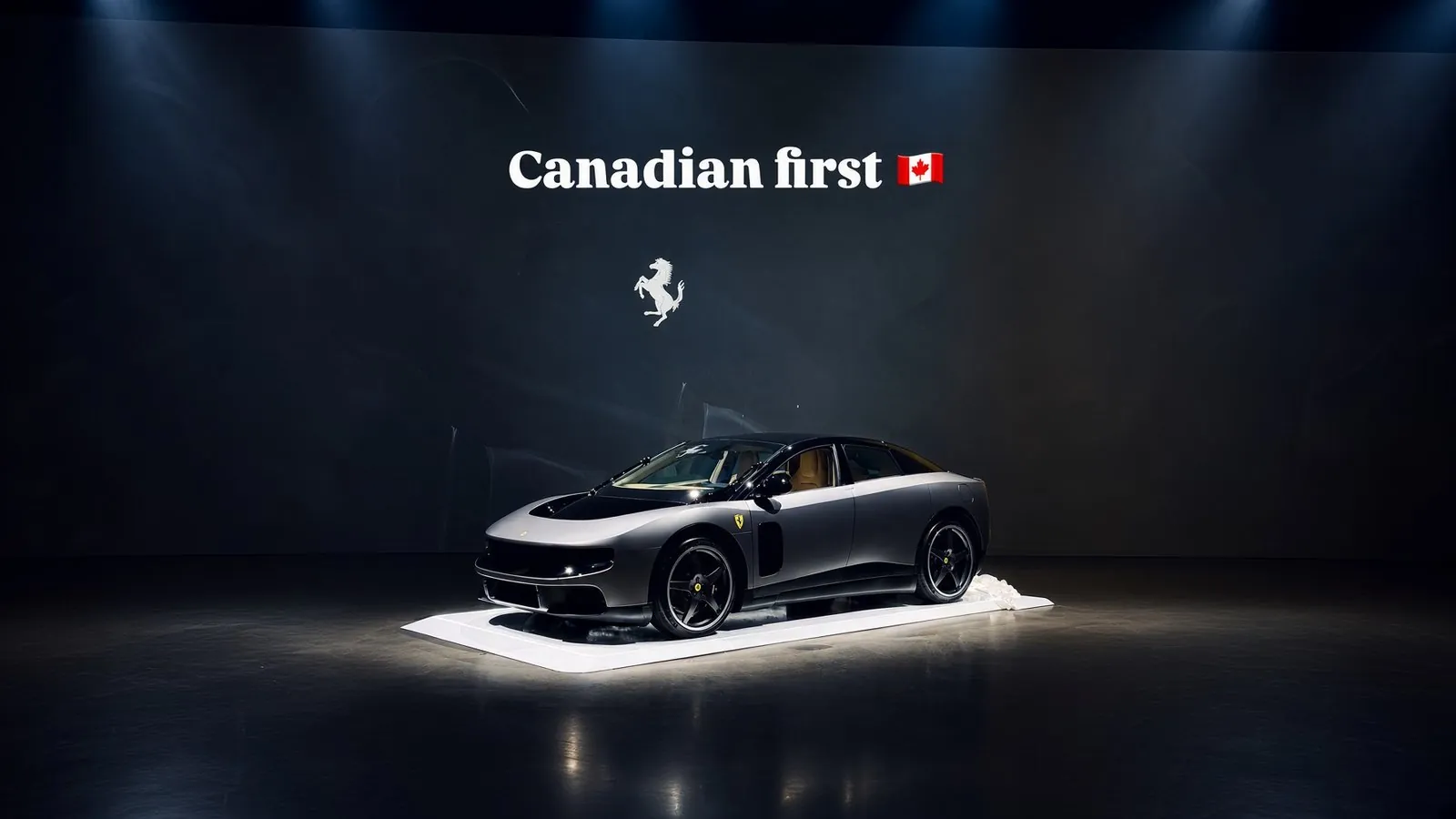
After its first Canadian appearance at Ferrari Quebec in a matte grey display spec, the 1,050-hp Ferrari Luce electric supercar heads to the Toronto International Film Festival — the second stop of its Canadian tour. Canadian pricing is still unconfirmed at roughly $800,000.
The Charge Brief
Get Canada’s EV transition in your inbox
One email a day. No spam, unsubscribe anytime.