
vehicles
batteryUsed EV Buying Guide Canada 2026: What to Check Before You Buy
Buying a used EV in Canada in 2026 — battery health checks, warranty transfer, inspection tips, and which used models offer the best value for money.

Used EV prices in Canada have stabilized in 2026, creating genuine opportunities for buyers who want electric mobility without new-car depreciation. The challenge is that used EV condition varies more than gasoline used cars because battery health, software support, and warranty coverage depend on how the previous owner charged and maintained the vehicle. A disciplined inspection process separates good value from expensive mistakes.
Battery Health Is Everything
The battery is the most expensive component in any EV, and its health determines usable range, resale value, and long-term ownership cost. Before buying any used EV, request a State of Health report from the seller or dealer. Most modern EVs display battery health in the infotainment menu or through a diagnostic port read. A healthy pack should show above 85 percent State of Health for vehicles under five years old. Anything below 80 percent signals significant degradation that will affect daily usability.
Warranty Transfer
Many Canadian EV warranties transfer to subsequent owners, but not all do, and transfer rules vary by manufacturer. Tesla’s basic vehicle warranty does not transfer, but the battery and drive unit warranty does. Hyundai and Kia offer five-year unlimited-kilometre powertrain warranties that transfer with the vehicle, which adds resale confidence. Always confirm warranty status in writing before purchase, because verbal assurances from salespeople are unreliable.
Inspection Checklist
An EV-qualified technician should inspect suspension components, brake systems, cooling circuits, and charging ports before you buy. Regenerative braking reduces brake wear, but suspension bushings and wheel bearings still wear normally. Check for battery coolant leaks, inspect the charging cable and port for damage, and verify that all software updates have been applied. A pre-purchase inspection typically costs $150 to $300 and can reveal thousands of dollars in hidden issues.
Best Used EV Values
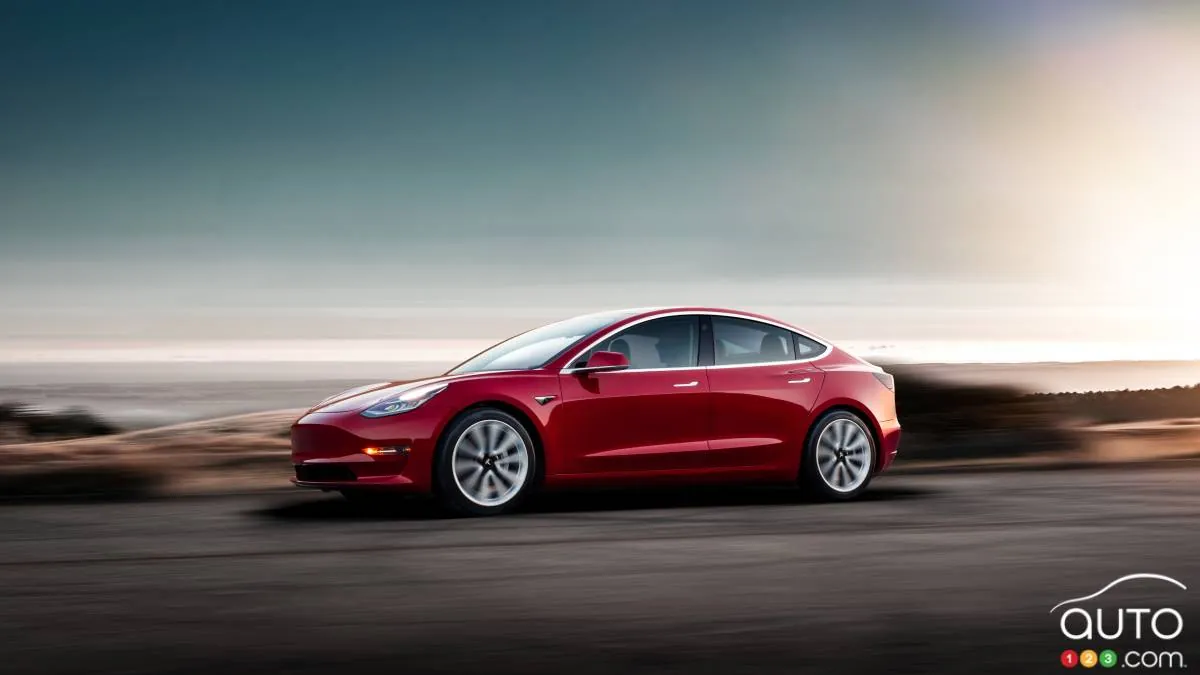
In 2026, the best used EV values in Canada are the Tesla Model 3 after 2019, Hyundai Kona Electric after 2021, Chevrolet Bolt with confirmed battery replacement, and Volkswagen ID.4 after 2022. Each offers a combination of reasonable price, reliable battery health, available service support, and usable range for Canadian conditions. Avoid used EVs from brands that are exiting the Canadian market or discontinuing EV lineups, because parts and service may become scarce.
Looking for EV deals, insurance, or financing? Check out our partner deals and offers.
If you found this guide helpful, use our Tesla referral link for free Supercharging credits on a new Tesla purchase or lease in Canada.
Next story · swipe left
Next story
EV Depreciation in Canada 2026: Which Models Hold Value Best
5 min read
EV depreciation varies widely by model, brand, battery warranty, and market demand. Here are the electric cars that hold value best in Canada and which ones to avoid for resale.
The Charge Brief
Get Canada’s EV transition in your inbox
One email a day. No spam, unsubscribe anytime.