
industry
Poland Created Hydrogen Bus Demand. Polenergia Still Walked Away From Supply.
Canada has long been a global leader in hydrogen fuel-cell technology, with British Columbia and Quebec boasting some of the world’s most advanced hydrogen…
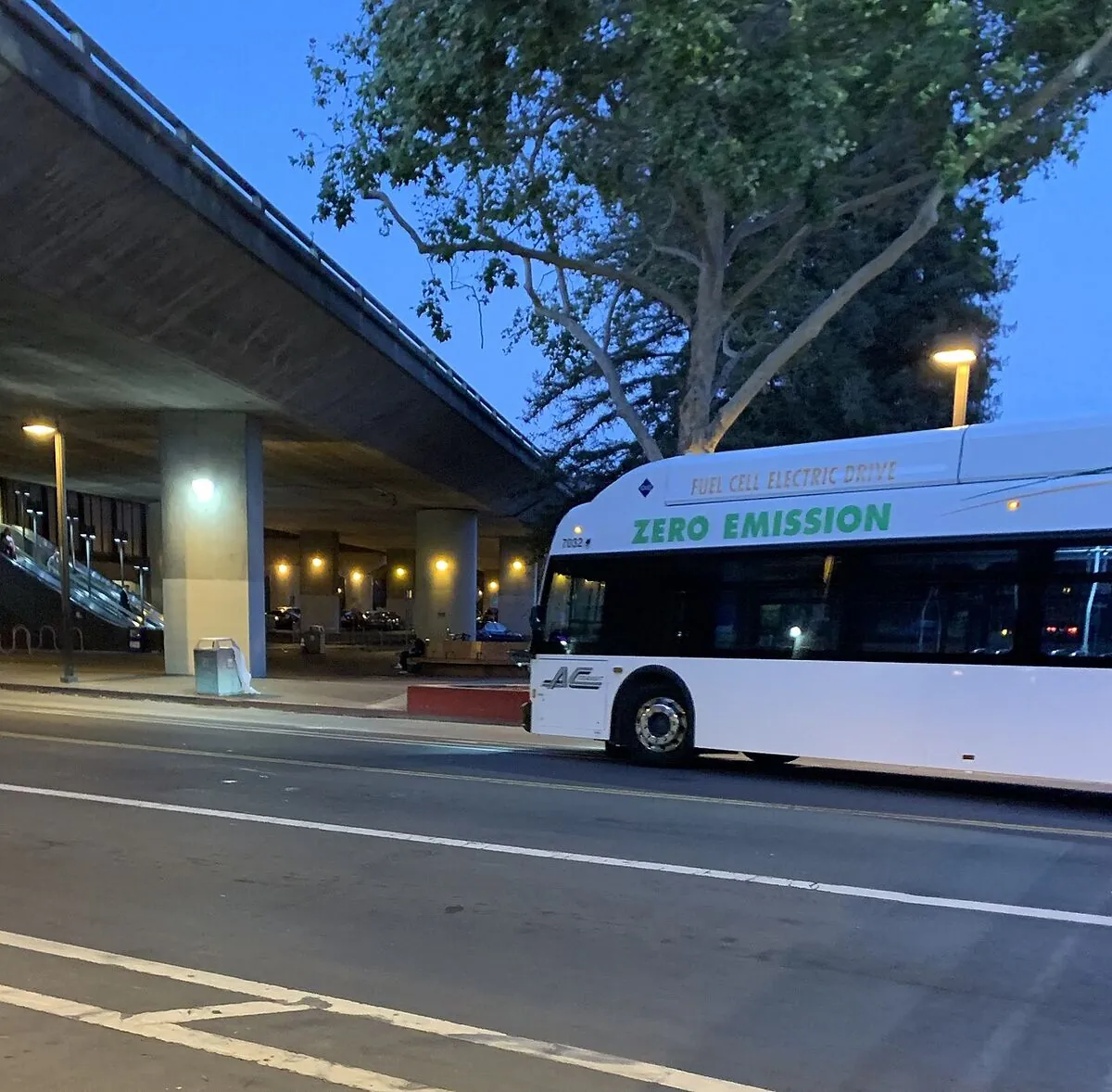
Canada has long been a global leader in hydrogen fuel-cell technology, with British Columbia and Quebec boasting some of the world’s most advanced hydrogen ecosystems. Yet, despite this strong foundation, Canada’s public transit sector has remained hesitant to adopt hydrogen fuel-cell buses on a large scale. Meanwhile, Poland—often not the first country that comes to mind when discussing clean energy innovation—has quietly taken bold steps to create a domestic market for hydrogen-powered transit. The results offer a compelling case study for Canadian policymakers and transit authorities weighing the future of zero-emission buses.
Poland’s push into hydrogen mobility began in earnest around 2022, when the government launched the “Hydrogen Valley” initiative, a multi-million-euro program designed to catalyze demand for hydrogen across transportation, industry, and energy. A key component of the plan involved public subsidies to accelerate the deployment of hydrogen fuel-cell buses in cities like Warsaw, Cracow, and Gdańsk. The government covered up to 80% of the higher upfront costs of these buses compared to diesel alternatives, while also funding the construction of refueling stations powered by renewable energy. By 2026, over 100 hydrogen buses were in regular service across Poland, representing one of the largest operational fleets in Europe outside Germany and the Netherlands.
The strategy wasn’t just about buying vehicles—it was about creating an entire ecosystem. Poland invested in domestic hydrogen production, including green hydrogen projects powered by onshore and offshore wind in the Baltic Sea region. This integrated approach aimed to reduce reliance on imported fossil fuels and build local industrial capacity. By contrast, Canada’s hydrogen strategy—while ambitious—has often been fragmented, with different provinces pursuing parallel but uncoordinated efforts.
One of the most striking aspects of Poland’s hydrogen journey is who didn’t follow through: Polenergia, one of the country’s largest energy companies. Despite receiving public funds to supply hydrogen for the bus programs, Polenergia ultimately walked away from long-term supply agreements. Reports suggest internal financial pressures and shifting corporate priorities led the company to prioritize other energy ventures, such as gas infrastructure and renewable power projects. The withdrawal left cities scrambling and raised concerns about the fragility of hydrogen supply chains when tied to a single corporate player.
This episode carries direct lessons for Canada, where several provinces—especially Quebec and Alberta—are investing heavily in hydrogen infrastructure. In Quebec, the provincial government has committed over $100 million to deploy hydrogen buses in Montreal and Gatineau, with plans to expand to Sherbrooke and Trois-Rivières by 2027. Meanwhile, Alberta’s Hydrogen Roadmap targets 20% of all new transit buses to be hydrogen-powered by 2030, leveraging the province’s abundant natural gas and renewable energy resources.
But like Poland, Canada must grapple with supply reliability. Currently, most hydrogen buses in Canada are fueled by “grey” or “blue” hydrogen—produced from fossil fuels with carbon capture—rather than green hydrogen, which is made using renewable electricity. While this lowers emissions compared to diesel, it doesn’t fully align with Canada’s 2050 net-zero goals. Moreover, the lack of large-scale green hydrogen production could become a bottleneck as demand grows.
Another challenge is standardization. Unlike battery-electric buses, which benefit from uniform charging standards and infrastructure, hydrogen buses require compatible refueling stations and fuel specifications. In Canada, where provincial jurisdictions often control transit funding, inconsistent policies can slow adoption. In Ontario, for example, the provincial government has focused primarily on battery-electric buses, leaving hydrogen largely sidelined—despite strong interest from municipalities like Brampton and Mississauga.
The Polish experience underscores a critical truth: creating demand through subsidies is only the first step. Sustaining a hydrogen transit ecosystem requires reliable supply, competitive pricing, and long-term policy commitment. Canada has the resources and the ambition to lead in hydrogen mobility—but it must avoid the pitfalls of over-reliance on a single supplier or inconsistent policy frameworks.
As cities like Vancouver and Quebec City consider hydrogen buses for their transit fleets, they should take note of Poland’s rapid rise—and the cautionary tale of Polenergia’s exit. The future of Canadian transit may well be electric, but hydrogen could play a vital complementary role—provided the ecosystem is built to last.
Looking for EV deals, insurance, or financing? Check out our partner deals and offers.
If you found this guide helpful, use our Tesla referral link for free Supercharging credits on a new Tesla purchase or lease in Canada.

Next story · swipe left
Next story
Volvo's EX60 and EX90 Will Warn Canadian Drivers About Moose on the Road Ahead
3 min read
Volvo is rolling out connected-safety hazard alerts — including Large Animal Alert for moose and other wildlife — to EX60 and EX90 electric SUVs in Canada via software update, alongside Spatial Audio for CarPlay.
The Charge Brief
Get Canada’s EV transition in your inbox
One email a day. No spam, unsubscribe anytime.