
technology
rangeMahle Electric Truck Range Extender: How It Works and When Canadian Fleets Get It
Mahle, a global automotive supplier, has unveiled a new range extender system designed to address the range limitations of battery-electric heavy trucks.…
Mahle, a global automotive supplier, has unveiled a new range extender system designed to address the range limitations of battery-electric heavy trucks. The technology comes as the industry grapples with the challenge of electrifying long-haul freight, a sector where even Tesla’s upcoming Semi may struggle to meet all operational demands.
A Solution for Long-Haul Electric Trucking?
While battery-electric trucks like the Tesla Semi promise zero emissions and lower operating costs, their range remains a hurdle for cross-country freight operations—especially in vast regions like Canada, where distances between charging stations can stretch hundreds of kilometres. Mahle’s range extender aims to bridge this gap by acting as an onboard generator, replenishing the battery while driving without requiring external charging.
The system is essentially a compact internal combustion engine (likely running on renewable fuels or hydrogen) that powers a generator to charge the truck’s battery pack. This approach allows electric trucks to maintain long-distance capability without sacrificing payload for excessive battery weight. For Canadian fleets operating in remote areas, such as the Trans-Canada Highway or northern resource routes, this could be a game-changer.
How It Works and Why It Matters
Mahle’s solution is modular, meaning it can be integrated into existing electric truck platforms without requiring a complete redesign. The company suggests the system could extend range by 200–400 km, depending on configuration—a significant boost for trucks that might otherwise max out at 500–800 km per charge.
For Canada, where extreme cold can further reduce EV range, a range extender could provide much-needed flexibility. Winter conditions in provinces like Alberta or the Prairies often cut electric vehicle range by 20–30%, making long-haul routes even more challenging. A generator-based solution could mitigate this issue, ensuring consistent performance regardless of temperature.
Competitive Landscape and Tesla’s Role
Tesla’s Semi, which is beginning limited deployments, boasts an impressive 800 km range under ideal conditions. However, real-world factors like cargo weight, terrain, and weather can reduce this figure. Mahle’s range extender could serve as a complementary technology, allowing Tesla and other manufacturers to offer extended-range options for customers who need it.
That said, Tesla has historically favoured pure battery-electric solutions, betting on improving energy density and charging infrastructure. Whether the company would adopt or partner on such a system remains uncertain. However, for Canadian fleets looking to electrify sooner rather than later, Mahle’s innovation presents a pragmatic middle ground.
Regulatory and Environmental Considerations
Canada’s push for zero-emission commercial vehicles includes incentives for electric truck adoption, but range anxiety remains a barrier. A range extender running on renewable diesel or hydrogen could qualify for clean energy credits while still reducing overall emissions compared to traditional diesel trucks.
However, purists may argue that any combustion-based solution—even as a range extender—is a step backward. The long-term goal remains fully electric fleets, but Mahle’s system could serve as a transitional technology until battery tech and charging networks catch up.
When Will It Hit the Market?
Mahle has not yet announced a production timeline or partnerships with truck manufacturers, but the system is positioned as a near-term solution. For Canadian logistics companies eager to electrify but constrained by range, this development is worth watching closely.
As the heavy-duty EV market evolves, innovations like Mahle’s range extender could play a key role in accelerating adoption—especially in challenging markets like Canada, where distance and climate demand flexible solutions.
Looking for EV deals, insurance, or financing? Check out our partner deals and offers.
If you found this guide helpful, use our Tesla referral link for free Supercharging credits on a new Tesla purchase or lease in Canada.
Next story · swipe left
Next story
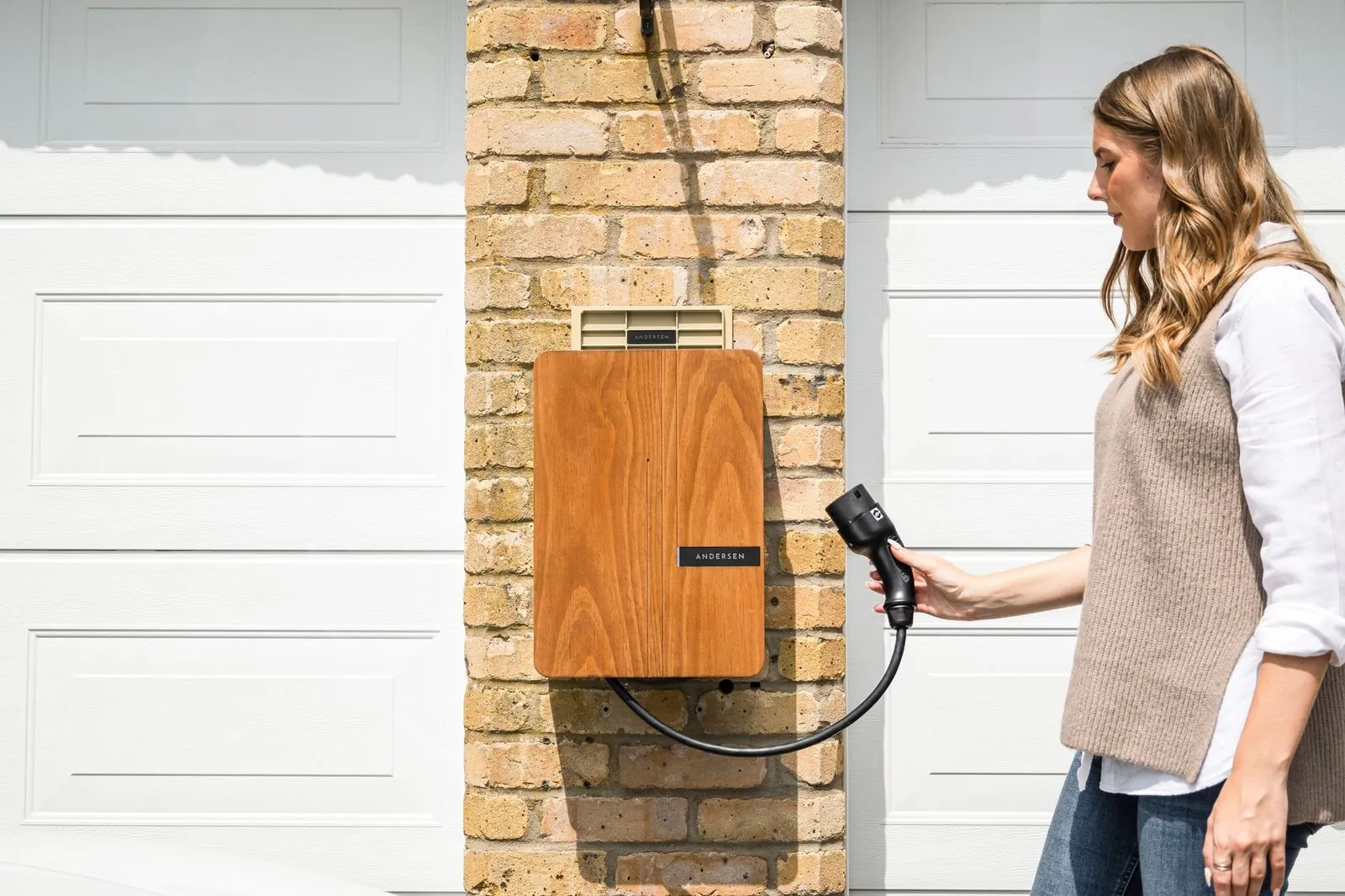
Level 1 vs Level 2 Home Charging in Canada: What Your Outlet Actually Gives You
5 min read
Level 1 (120V) vs Level 2 (240V) home EV charging in Canada — real km-per-hour rates, installation costs, off-peak savings math, and who genuinely gets away with a wall outlet.
The Charge Brief
Get Canada’s EV transition in your inbox
One email a day. No spam, unsubscribe anytime.