
vehicles
Hyundai's $17,700 Ioniq V Is a Warning Shot at the Cheap-EV Segment Canada Keeps Waiting For
Hyundai launched an ultra-affordable EV abroad with orders booming — but not for export to markets like Canada. The budget-EV segment remains the industry's most conspicuous gap here.
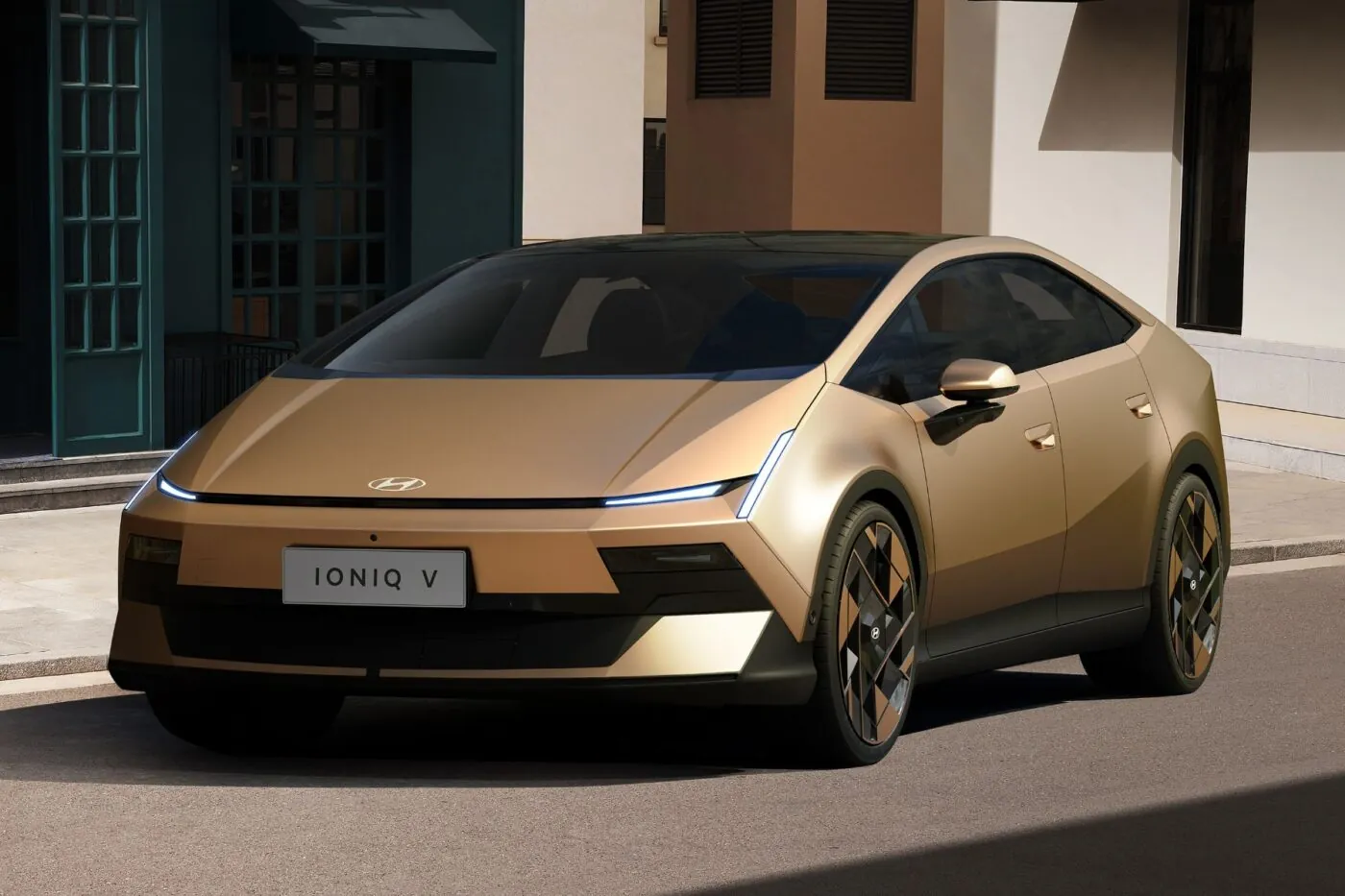
Hyundai has started taking orders for the Ioniq V at a price equivalent to roughly $17,700 — and the order books filled fast. The catch: the car is not coming to Canada or the United States, at least for now. It is aimed at markets where small, cheap city cars already dominate, and where Hyundai can sell it without the batteries, range, and size expectations North American buyers bring.
The launch is worth Canadian attention anyway, because it sketches the shape of a segment this country keeps waiting for.
The sub-$30,000 hole
Walk a Canadian dealership row and the cheapest new battery-electric car starts in the low-$40,000s before incentives. Below that: nothing mainstream. Every automaker knows the hole exists; almost none fill it, because North American buyers want range figures that force big batteries, and big batteries force prices back up. The cars that could hit the price point — compact, 300-km-range city EVs — are exactly the cars manufacturers hesitate to certify here.
Why the math keeps failing here
Three costs stack against a Canadian Ioniq V. Safety and homologation costs amortize over far fewer units in a small market. Canadian winter range expectations push marketing toward bigger packs. And the federal incentive landscape has been turbulent enough that automakers can't bank on a stable subsidy to anchor the business case.
The used market is filling the gap instead
Nature abhors a vacuum, and so does a price list. What has actually emerged in Canada's affordable-EV space is the used market: former rental-fleet EVs and off-lease compliance cars now sell in the low-$20,000s, often with battery warranties intact. For a buyer whose driving is urban, that is the real budget-EV play today — a three-year-old car with 400 km of range for the price of a used Corolla.
Hyundai's $17,700 experiment proves the cheap EV can be built. Whether it can be certified, shipped, and sold profitably in Canada is a different question — one the industry has now spent a decade declining to answer.
Looking for EV deals, insurance, or financing? Check out our partner deals and offers.
If you found this guide helpful, use our Tesla referral link for free Supercharging credits on a new Tesla purchase or lease in Canada.
Next story · swipe left
Next story
Canada's Clean Electricity Grid and the EV Future
7 min read
Canada's clean electricity grid explained — 80% non-emitting today, the provincial mixes, smart charging, and whether the grid can handle every car going electric.
The Charge Brief
Get Canada’s EV transition in your inbox
One email a day. No spam, unsubscribe anytime.