
vehicles
Hyundai Ioniq 5 in Canada 2026: What Owners Actually Say
Real Hyundai Ioniq 5 ownership experience in Canada — winter range, charging speed, build quality, and whether it still earns its ‘Canada’s EV of the Year’ reputation.
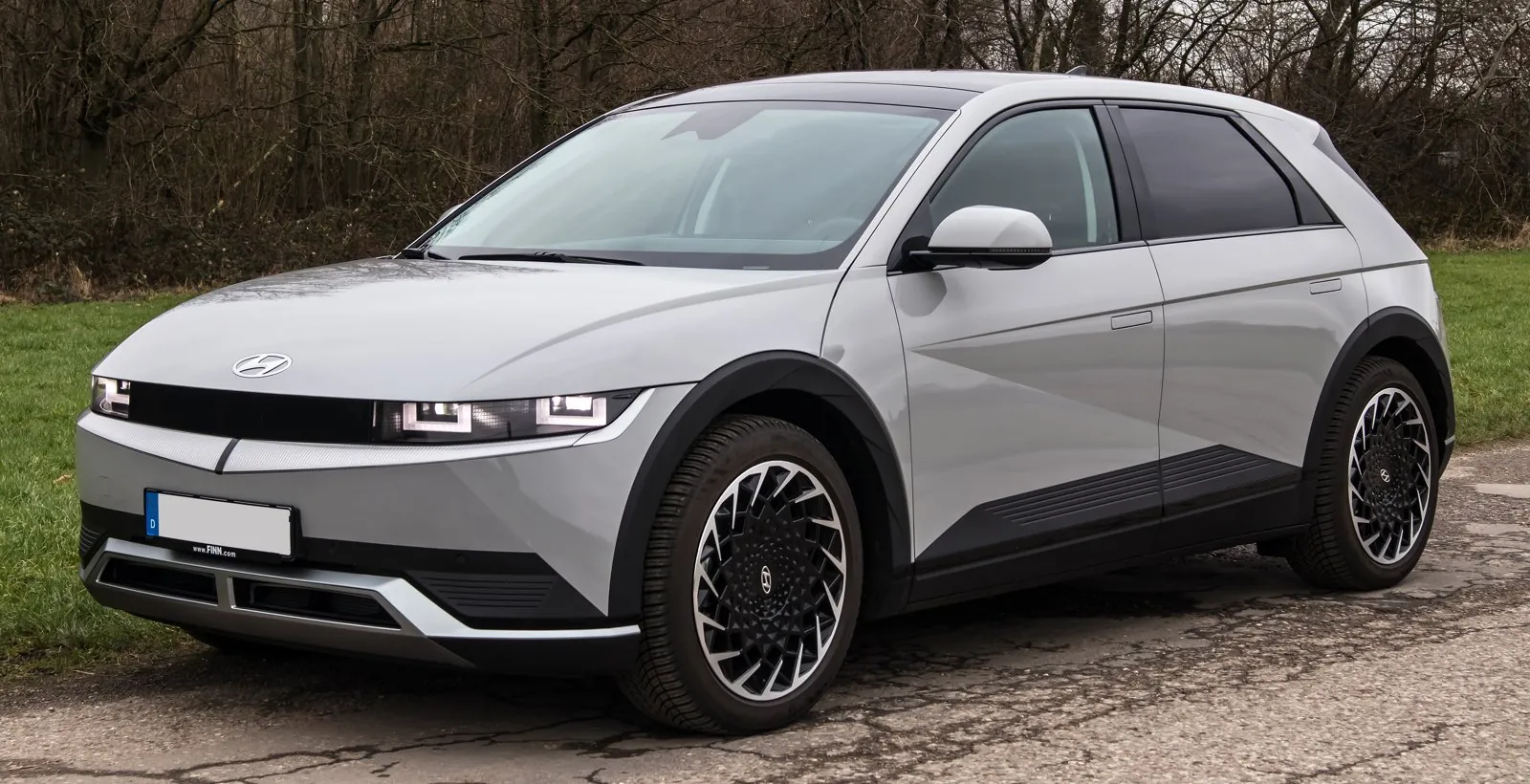
The Hyundai Ioniq 5 arrived in Canada with a bold retro design, ultra-fast 800-volt architecture, and a price that undercut most rivals. In 2026, after several model years on Canadian roads, the question is not whether it looks good — it does — but whether it still makes sense as a daily driver through winter, highway stretches, and real ownership costs.
Performance and Daily Driving
The Ioniq 5’s dual-motor AWD setup delivers strong acceleration without the harshness of some early EVs. The single-motor RWD version remains the efficiency leader for drivers who prioritize range over all-weather grip. Inside, the cabin layout is genuinely useful: sliding centre console, flat floor, and plenty of rear legroom make it practical for families. The 10.25-inch infotainment screen is responsive, though some owners still prefer wireless Apple CarPlay over Hyundai’s native maps interface.
Winter Range in Canada
Cold-weather range loss on the Ioniq 5 is roughly 25 to 35 percent in sustained -20°C conditions, which is in line with most 800-volt competitors. Preconditioning via the app helps preserve morning departure range, and the heat pump — now standard on most trims — reduces cabin heating overhead compared to resistance-only systems. Drivers in Ontario and Quebec report 280 to 350 km of usable range in deep winter, which is enough for urban commutes and shorter highway trips but requires planning for anything beyond that.
Charging Experience
The Ioniq 5’s 800-volt architecture still gives it an advantage at DC fast chargers: it can accept peak rates above 200 kW on compatible stations, meaning a 10 to 80 percent charge can happen in under 20 minutes under ideal conditions. Real-world results are slower in cold weather and on older chargers, but the platform still charges faster than most 400-volt rivals. Level 2 charging at home is straightforward with a 48-amp EVSE, delivering a full charge in about six hours.
Build Quality and Warranty
Hyundai’s five-year unlimited-kilometre powertrain warranty and three-year comprehensive coverage remain among the best in Canada. The warranty transfers to subsequent owners, which helps resale value. Build quality has improved since launch: panel gaps, which were an early talking point, are tighter on 2025 and 2026 models. The warranty alone makes the Ioniq 5 a strong recommendation for buyers who want long-term security.
Should You Buy One in 2026?
The Ioniq 5 remains one of the best-rounded EVs available in Canada. Its charging speed, interior practicality, and warranty coverage still lead the segment. For buyers who want style, efficiency, and daily usability without paying luxury prices, it is still the benchmark. The main compromises — cargo space compared to larger EVs, and sound insulation on rough pavement — are real but manageable for most drivers.
Looking for EV deals, insurance, or financing? Check out our partner deals and offers.
If you found this guide helpful, use our Tesla referral link for free Supercharging credits on a new Tesla purchase or lease in Canada.
Next story · swipe left
Next story
Canada's $27.6B Counter-Tariffs Take Effect: Why Tesla Buyers Dodge the New Duties
4 min read
Canada's newest counter-tariffs — up to 50% on C$27.6 billion of U.S. goods — took effect September 8, but they spare the Teslas Canadians are actually buying. Shanghai-built Model 3s enter under a 6.1% MFN tariff, while only U.S.-built Cybertrucks still face the auto counter-tariff regime.
The Charge Brief
Get Canada’s EV transition in your inbox
One email a day. No spam, unsubscribe anytime.