
vehicles
costsEV Maintenance Costs Canada 2026: What to Budget for Service
EV maintenance costs in Canada are lower than gas cars, but not zero. Here is what EV owners should expect for tires, brakes, cabin filters, battery service, and out-of-warranty repairs.

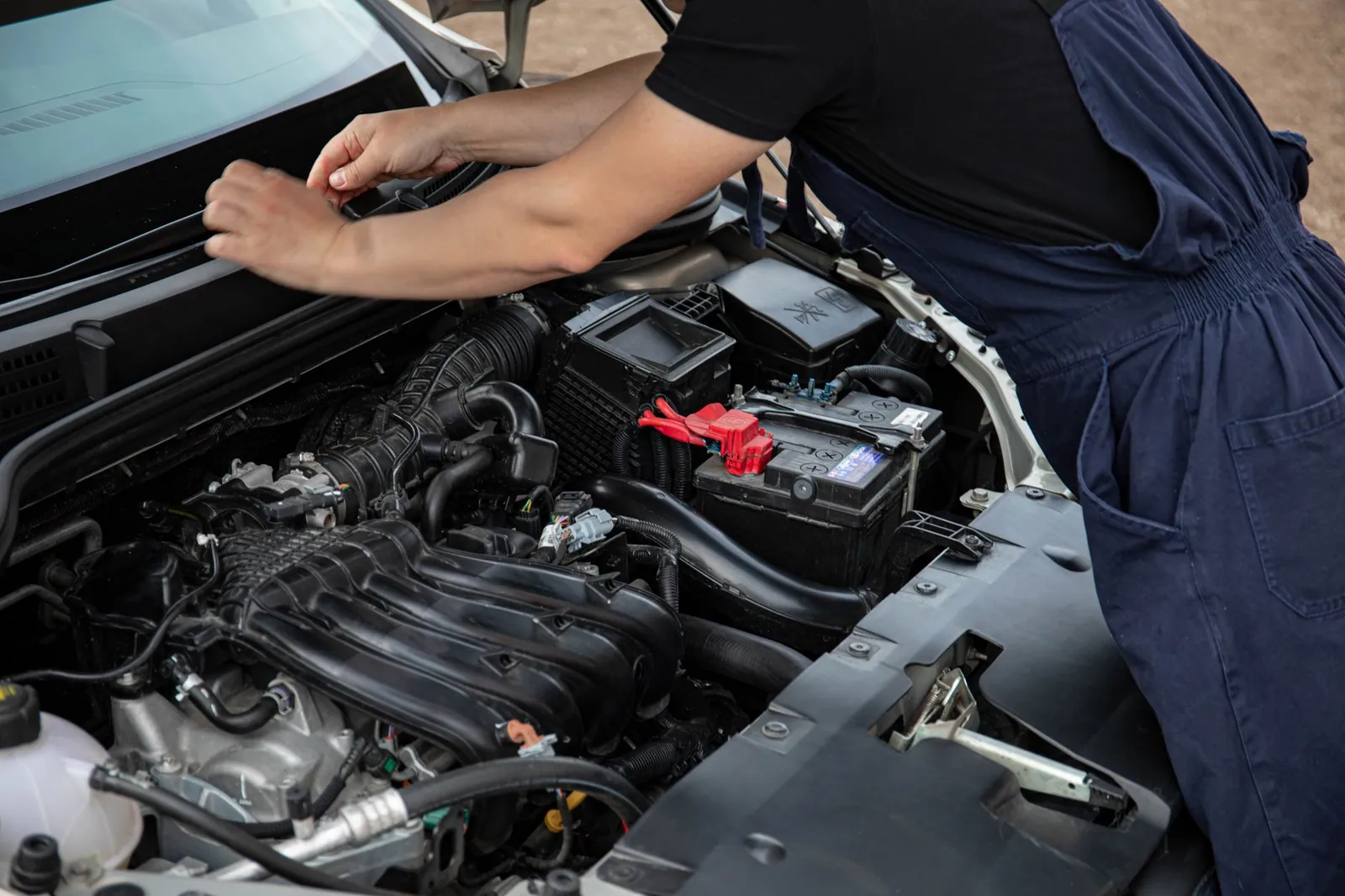
EV maintenance costs are lower than gasoline vehicles in most categories, but Canadian buyers should understand where savings end and where expenses remain. Tires, brakes, suspension, and cabin climate systems still require attention, and battery cooling or suspension components can fail outside warranty. Setting a realistic maintenance budget prevents surprise costs and helps buyers compare total ownership fairly against gasoline alternatives.
Tires and Rotation
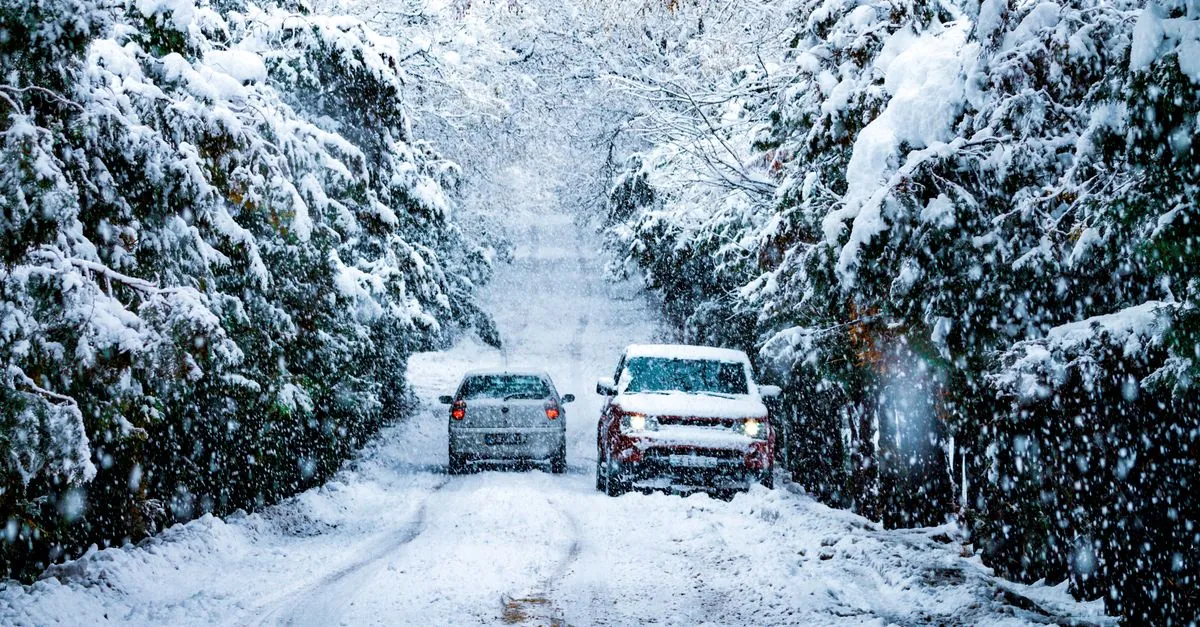
EV tires wear faster than gasoline tires because EVs are heavier and deliver torque instantly. Most EV manufacturers recommend tire rotation every 10,000 to 15,000 kilometres, which is more frequent than gasoline vehicles. Winter tires are essential in Canada, and their cost — typically $1,200 to $2,000 for a set of four installed — should be included in annual ownership budgets. Summer tires on EVs also wear faster than on gasoline cars, so budget for replacement every five to six years rather than seven or eight.
Brakes and Regenerative Systems
Regenerative braking reduces friction-brake use dramatically, which means brake pads and rotors last two to three times longer on EVs than on gasoline vehicles. However, regenerative systems themselves can develop faults, and some EVs require brake fluid flushes at intervals regardless of pad wear. Owners should follow the manufacturer’s brake fluid schedule because neglected fluid can corrode the system and trigger expensive repairs.
Cabin Climate Maintenance
EV cabins rely on electric heating and cooling systems that require cabin air filter changes and occasional compressor or heater core service. Cabin filter replacement is inexpensive — usually under $100 — and should be done annually in Canadian cities with high pollen or road salt. Heat pump systems may require refrigerant checks every few years, which adds modest cost but preserves heating efficiency in winter.
Out-of-Warranty Considerations
Once an EV leaves its basic warranty, repair costs can rise quickly for components like suspension arms, wheel bearings, and infotainment hardware. Battery cooling pumps and thermal management systems are expensive to replace, which is why extended warranty coverage deserves consideration for buyers who plan to keep their EV beyond the basic term. Comparing extended warranty terms and costs before purchase gives buyers leverage and financial predictability.
Looking for EV deals, insurance, or financing? Check out our partner deals and offers.
If you found this guide helpful, use our Tesla referral link for free Supercharging credits on a new Tesla purchase or lease in Canada.

Next story · swipe left
Next story
How to Extend EV Range in Winter Canada: Tips That Work
5 min read
Extending EV range in Canadian winters is practical with the right habits. Here are proven techniques for preconditioning, tire choice, cabin heating, and charging strategy in cold weather.
The Charge Brief
Get Canada’s EV transition in your inbox
One email a day. No spam, unsubscribe anytime.