
infrastructure
chargingEV Charging Infrastructure Canada 2026: Progress Report
Canada’s EV charging infrastructure in 2026 — federal funding, provincial programs, private networks, and whether the build-out is keeping pace with EV sales growth.
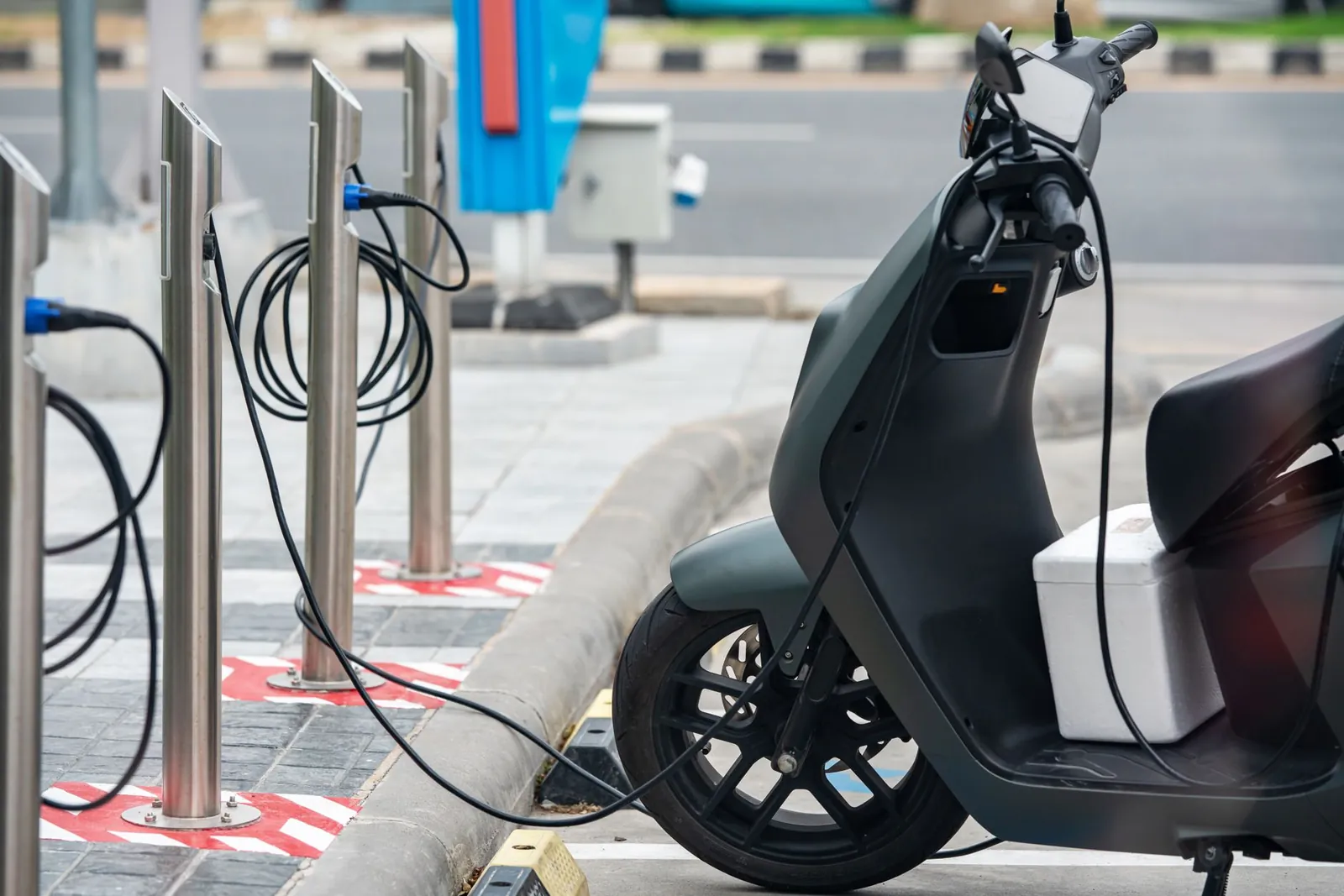
Canada’s EV charging infrastructure has grown significantly since 2020, but demand continues to outpace deployment in several regions. Federal funding programs, provincial incentives, and private network expansion have improved corridor coverage along the 401, the Trans-Canada, and Quebec’s autoroutes, but rural and remote areas still lack the station density required for confident EV road trips. In 2026, the infrastructure build-out is no longer a question of whether it will happen — it is a question of where it will arrive first.
Federal Funding and Targets
The federal government has committed billions toward EV charging infrastructure through the Canadian Infrastructure Bank and related programs, with targets that aim for tens of thousands of new public chargers by 2030. Funding is allocated through partnerships with provinces, utilities, and private operators, which means deployment speed depends on local execution as much as national ambition. Buyers should monitor Infrastructure Canada announcements because new funding rounds often trigger charger installations in previously underserved communities.
Provincial and Utility Programs
Quebec, Ontario, and British Columbia have the most aggressive provincial charging programs, with utility-backed installation rebates and streamlined permitting for commercial and residential sites. Quebec’s branch circuit programs reduce utility coordination costs for home and workplace chargers, while Ontario’s EV charger rebates have expanded to include multi-unit residential buildings. Alberta and the Prairie provinces are accelerating investment but still lag behind central Canada in station density.
Private Network Expansion
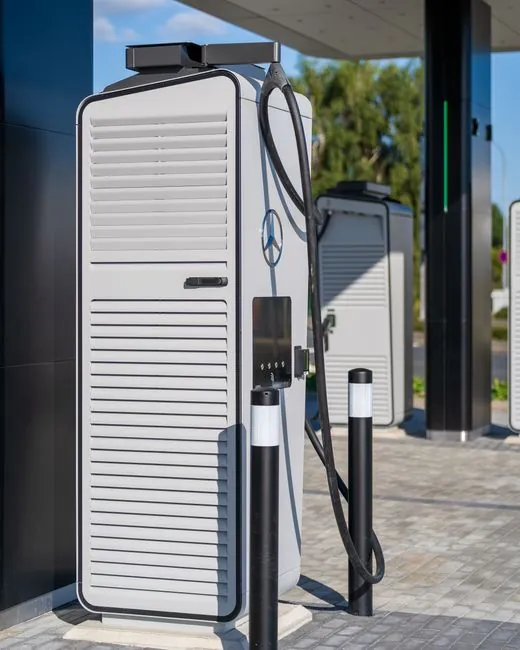
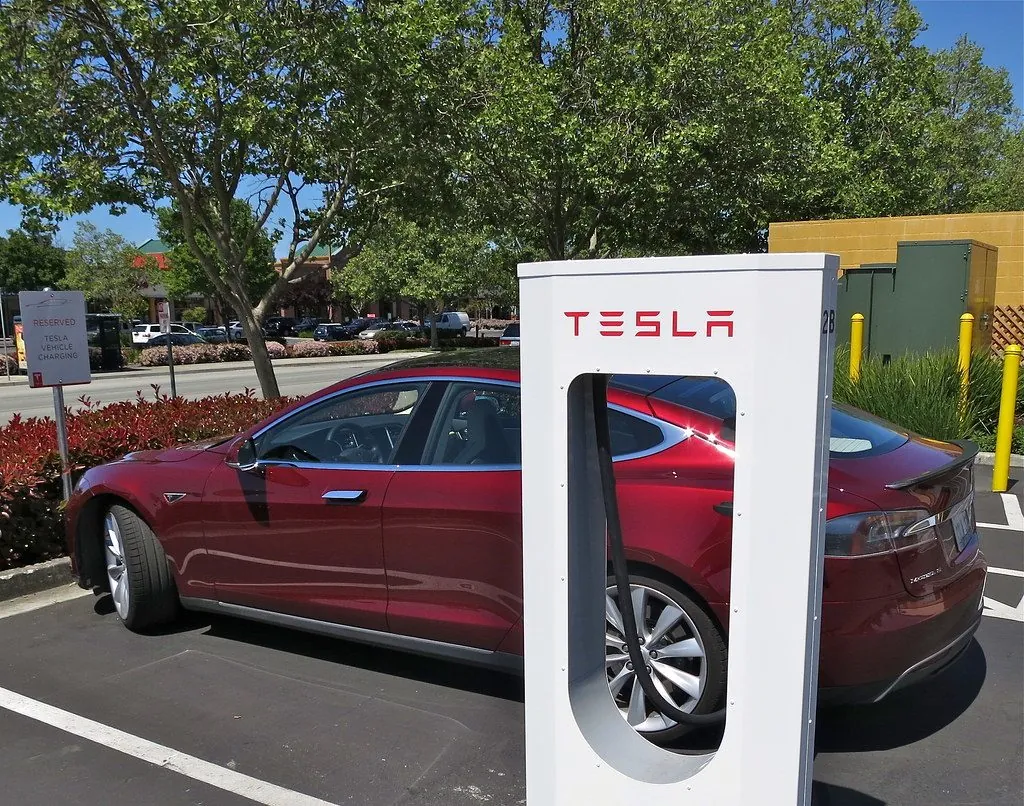
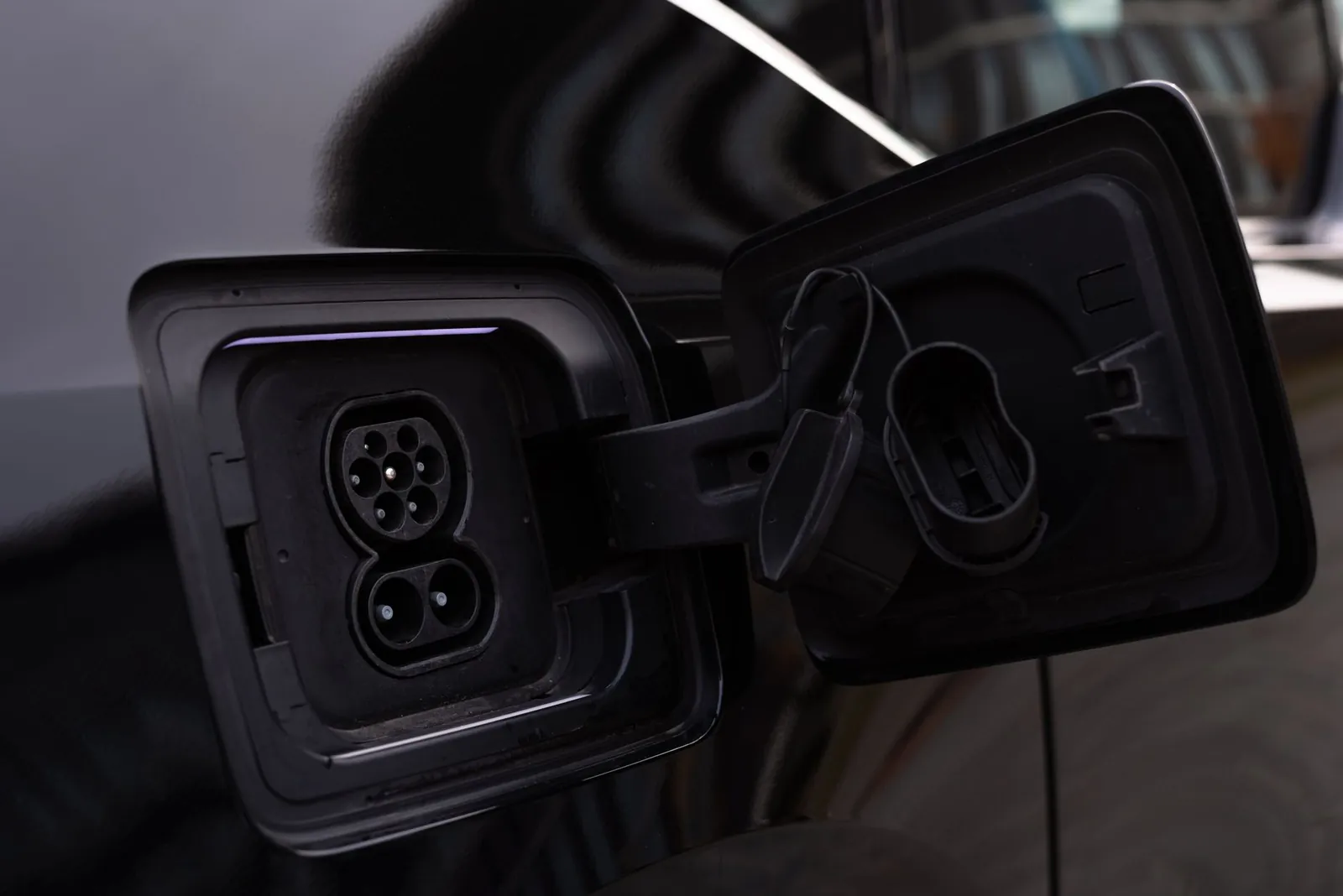
Electrify Canada, ChargePoint, and FLO continue to expand their highway and urban networks, with a focus on 150 kW-plus stations that match modern EV charging speeds. Tesla Supercharger access is opening to non-Tesla EVs through adapters and, in some cases, native NACS ports, which increases usable network density for all brands. Private operators face electricity cost and permitting challenges, but competition is improving station quality and reducing pricing in many markets.
What Drivers Should Expect
By 2027, most Canadian EV buyers should be able to complete routine long-distance trips without extensive pre-planning, but rural coverage will still require patience and backup chargers. Drivers should prioritize vehicles with high DC fast-charging rates and broad network compatibility, because infrastructure quality matters less if your car can use it efficiently. Home charging remains the most reliable fuel source for daily use, and buyers without dedicated parking should investigate workplace and public charging availability before purchasing.
Looking for EV deals, insurance, or financing? Check out our partner deals and offers.
If you found this guide helpful, use our Tesla referral link for free Supercharging credits on a new Tesla purchase or lease in Canada.
Next story · swipe left
Next story
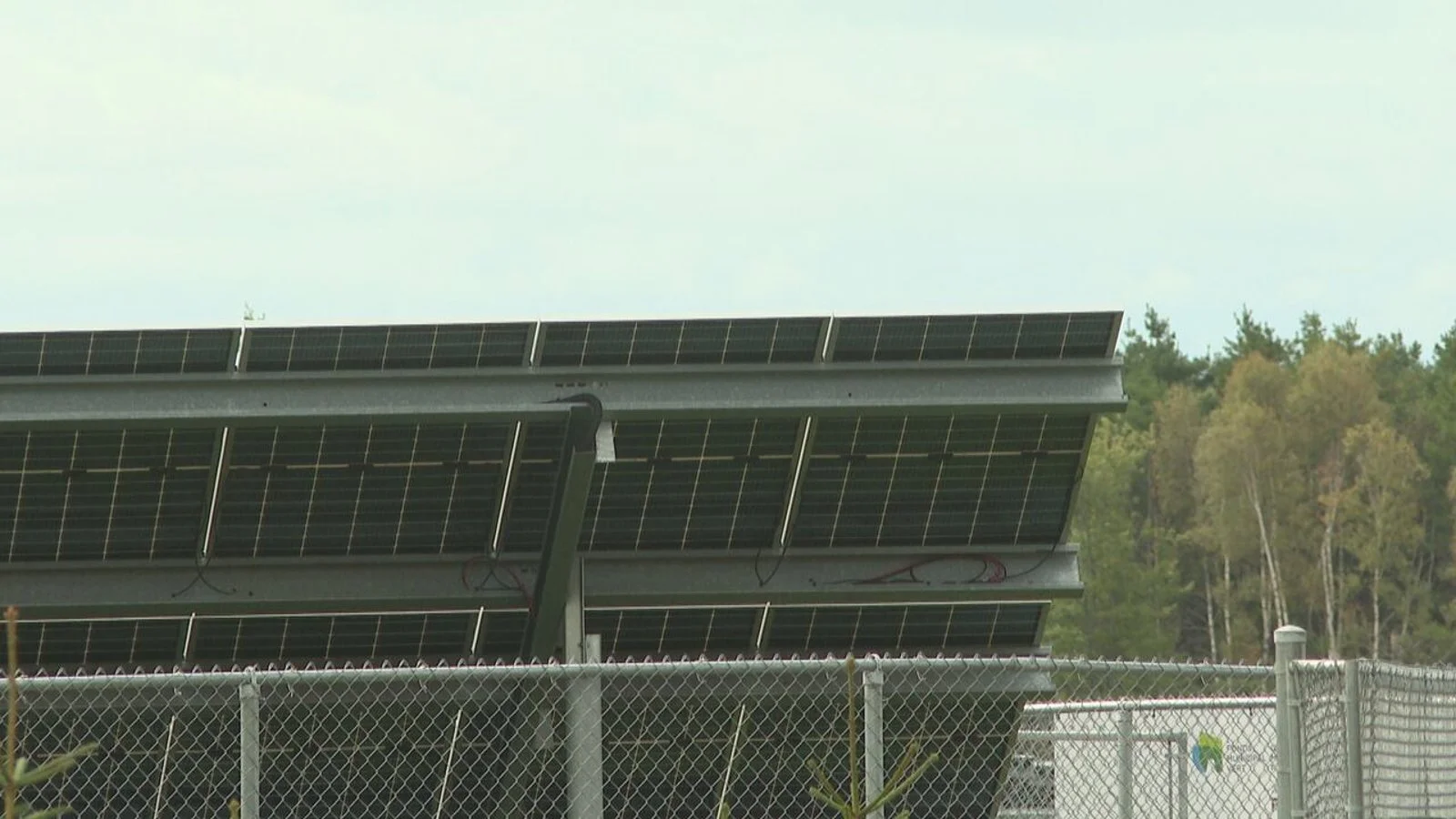
P.E.I. Solar Farm Battery Fire Burns for Two Weeks — Experts Warn Canada Isn't Ready
5 min read
A lithium-ion battery fire at the Summerside Sunbank solar farm started on Labour Day and took 14 days to contain. Fire experts say volunteer departments lack training and national strategy for grid-scale battery fires, which behave like self-fuelling flamethrowers.
The Charge Brief
Get Canada’s EV transition in your inbox
One email a day. No spam, unsubscribe anytime.