
technology
Elon Musk gives a timeline for SpaceX’s first Starship catch attempt
Elon Musk has revealed that SpaceX is targeting “a few months” for its first attempt to catch the Starship upper stage using the massive arms of its launch…
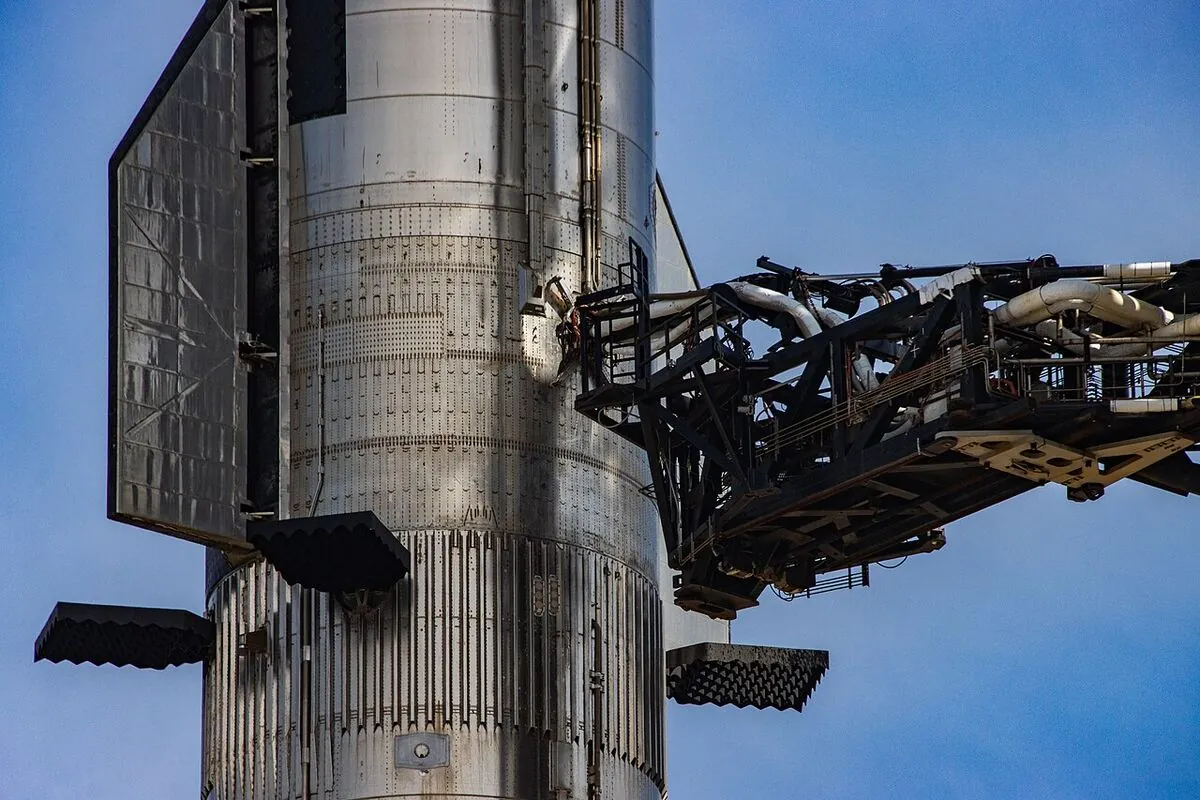
Elon Musk has revealed that SpaceX is targeting “a few months” for its first attempt to catch the Starship upper stage using the massive arms of its launch tower at Starbase in Texas. In a post on X (formerly Twitter), the CEO suggested that the innovative recovery method—designed to eliminate the need for landing legs and reduce vehicle mass—could have been tested sooner if the tower had been ready.
“Looks like we will probably catch the ship with the tower in a few months,” Musk wrote. “If there had been a tower [at the launch site]… The payload to orbit would have been significantly higher.”
The plan involves the Starship’s upper stage, after re-entering the atmosphere, being snagged mid-air by the tower’s mechanical arms as it descends under engine power. This approach, if successful, would mark a major milestone in SpaceX’s push for rapid reusability, a key factor in reducing the cost of space travel.
Why This Matters for SpaceX—and Canada’s Space Ambitions
For SpaceX, perfecting the tower catch system is critical to its long-term vision of frequent, low-cost Starship launches. Unlike traditional rocket landings, which rely on legs and a stable surface, this method allows for quicker turnaround times, as the vehicle can be immediately prepped for another flight.
While Canada isn’t directly involved in Starship’s development, the country’s space sector—including companies like MDA and startups in the growing NewSpace industry—will be watching closely. If SpaceX succeeds, it could accelerate the timeline for missions that may one day include Canadian payloads, astronauts, or even lunar and Mars missions under NASA’s Artemis program, in which Canada is a partner.
Challenges Ahead
The tower catch is a high-risk maneuver. SpaceX has already conducted multiple Starship test flights, with mixed results—some ending in explosions, others achieving partial success. The company’s iterative approach means failures are expected, but each attempt provides valuable data.
Musk’s timeline of “a few months” suggests SpaceX is aiming for a test before the end of 2024, though delays are always possible in aerospace. The next Starship flight (Flight 6) could be a candidate for the first catch attempt, depending on vehicle readiness and regulatory approvals.
Canadian Connection: Starship’s Potential Impact
If Starship proves reliable, it could lower the cost of launching satellites, scientific missions, and even space tourism—areas where Canadian firms and researchers could benefit. Additionally, SpaceX’s Starlink satellite internet constellation, already available in parts of Canada, relies on frequent launches, which Starship could eventually support at a larger scale.
For now, Canadians with an interest in space will be spectators, but the success of Starship could shape the future of global—and possibly Canadian—space exploration.
Follow Tesla News Canada for updates on SpaceX, Tesla, and the electric vehicle revolution.
Looking for EV deals, insurance, or financing? Check out our partner deals and offers.
If you found this guide helpful, use our Tesla referral link for free Supercharging credits on a new Tesla purchase or lease in Canada.

Next story · swipe left
Next story
Guide to Tesla Winter Driving in Canada for 2026
6 min read
Range loss, preconditioning, winter tires and Supercharging tips for Canadian Tesla drivers preparing for winter.
The Charge Brief
Get Canada’s EV transition in your inbox
One email a day. No spam, unsubscribe anytime.