
technology
batteryElectric Trucks In Play As New, Trump-Endorsed Lithium-Ion Battery Factory Takes Shape
A new lithium-ion battery factory backed by a $100 million USD grant from the U.S. Department of Energy is set to bolster North America’s electric vehicle…
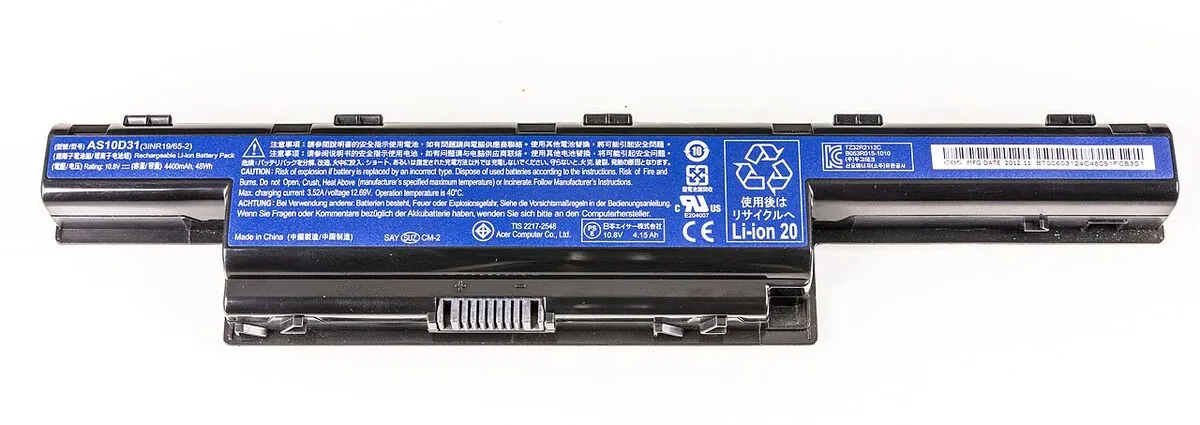
A new lithium-ion battery factory backed by a $100 million USD grant from the U.S. Department of Energy is set to bolster North America’s electric vehicle supply chain, with potential ripple effects for Canada’s growing EV market.
The 3 GWh facility, being developed by Forge Nano in North Carolina, aims to produce advanced lithium-ion batteries with improved energy density and longevity. The project has drawn attention not only for its technological ambitions but also for its political backing, including reported support from former U.S. President Donald Trump, who has historically shown mixed enthusiasm for EV adoption.
Strengthening North American Battery Supply
The factory’s output could play a key role in supporting the production of electric trucks and other large EVs, which require high-capacity battery packs. With automakers like Ford and Tesla scaling up electric pickup and commercial vehicle production, a stable domestic supply of batteries is critical to avoiding bottlenecks.
For Canadian consumers and manufacturers, this development could mean more stable pricing and availability of EVs in the long term. Canada has been ramping up its own battery production efforts, including the Volkswagen-Stellantis gigafactory in Ontario, but additional U.S. capacity helps secure the broader North American supply chain.
Implications for Canadian EV Buyers
While the factory is based in the U.S., its impact may extend north of the border. Tesla, which operates a Gigafactory in Texas and has strong ties to Canadian suppliers, could benefit from increased battery availability, potentially accelerating delivery times for Canadian customers. Additionally, as more electric trucks and commercial vehicles enter the market, Canadian fleets—particularly in sectors like mining, logistics, and public transit—may see improved access to zero-emission options.
The U.S. Inflation Reduction Act (IRA) has already influenced battery and EV production in North America, with incentives tied to domestic content requirements. While Canada has its own Clean Tech Manufacturing tax credit, the proximity of U.S. battery production still plays a role in ensuring a steady flow of components for vehicles sold in Canada.
A Competitive Edge for Clean Energy
Forge Nano’s technology focuses on enhancing battery performance through atomic layer deposition (ALD), which could lead to longer-lasting and more efficient energy storage solutions. If successful, this innovation may trickle down to consumer EVs, offering Canadian drivers better range, faster charging, and improved durability—key factors in Canada’s cold climate, where battery performance can degrade more quickly.
Industry analysts suggest that as more battery factories come online in North America, the cost of EVs could gradually decrease, making them more accessible to Canadian buyers. However, the timeline for these benefits to materialize remains uncertain, as the factory is still in development.
Political and Economic Considerations
The political endorsement of this project highlights the growing bipartisan recognition of EVs as a strategic industry. While Trump has previously criticized electric vehicles, his reported support for this factory signals a shift in perspective, possibly influenced by the economic potential of domestic battery production.
For Canada, which has been investing heavily in its own EV ecosystem—including battery recycling and critical mineral mining—this U.S. development reinforces the importance of cross-border collaboration in securing a sustainable automotive future.
As the factory takes shape, Canadian stakeholders will be watching closely, hoping for a boost in EV supply and technological advancement that could benefit drivers and industries alike.
Looking for EV deals, insurance, or financing? Check out our partner deals and offers.
If you found this guide helpful, use our Tesla referral link for free Supercharging credits on a new Tesla purchase or lease in Canada.
Next story · swipe left
Next story
GM Pledges in Writing Not to Sell CAMI — the Ontario Plant That Once Built BrightDrop EVs
4 min read
GM's new Unifor deal invests $144 million in Oshawa for next-gen Sierra HD trucks and puts the idled CAMI plant in Ingersoll — home of the BrightDrop electric van — first in line for Canadian defence work.
The Charge Brief
Get Canada’s EV transition in your inbox
One email a day. No spam, unsubscribe anytime.