
policy
chargingCanadian Municipalities Slowly Expanding Residential EV Charging Requirements
More than 60 municipalities and two provinces now have EV-ready requirements for new buildings, a 20% increase from 2024, with BC and Ontario leading adoption.
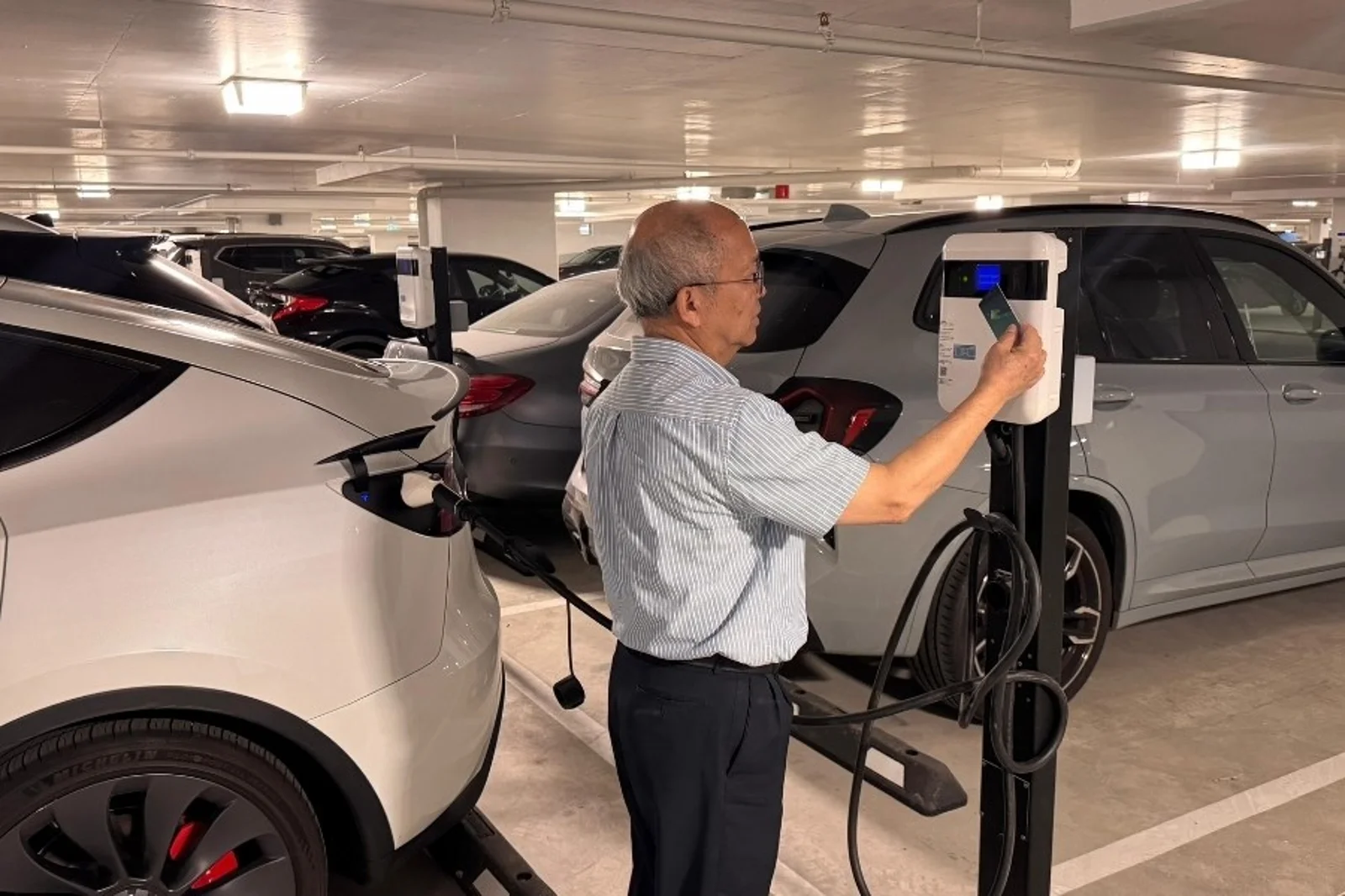
More than 60 Canadian municipalities and two provinces have codified requirements for new buildings to install EV charging, or provide rough-ins for future EV charging, a roughly 20 per cent increase from 2024.
Provincial leadership and patchwork rules
A review of all 10 provinces and three territories by Electric Autonomy shows the growth is concentrated in British Columbia and Ontario. The majority of Canadian EV-ready municipalities — 33 — are in British Columbia. Ontario follows with 17 municipalities.
Quebec appears to be taking a provincial-level oversight of EV-ready requirements, unlike the rest of Canada which is largely leaving it to the lower levels of government, which creates a national patchwork approach. Quebec, however, along with British Columbia, is one of only two provinces in the country to have provincial EV-ready legislation.
Where requirements are missing
There are no municipal or provincial EV-ready requirements in Nunavut, Northwest Territories, Yukon, Prince Edward Island, Nova Scotia, New Brunswick, Manitoba and Saskatchewan. And while there are no formal bylaws in place in Calgary, St. John’s and Halifax, the cities are considering future steps through proposals.
Why it matters for adoption
For those living in urban areas, the increase in the number of jurisdictions taking a more direct role in ensuring access to EV charging is welcome news. Lack of charging is a common problem and barrier to EV adoption for condo and multi-unit residential building residents. Those living in stratas, townhouses or semi-detached homes can face similar barriers with neighbours and board sometimes resisting charger installation due to costs and a lack of education and policy guidance.
Looking for EV deals, insurance, or financing? Check out our partner deals and offers.
If you found this guide helpful, use our Tesla referral link for free Supercharging credits on a new Tesla purchase or lease in Canada.
Next story · swipe left
Next story
Carbon Pricing and EV Savings: What Canadians Actually Keep
6 min read
How carbon pricing interacts with EV ownership in Canada — fuel charge savings, electricity treatment, and the real annual math for EV drivers.
The Charge Brief
Get Canada’s EV transition in your inbox
One email a day. No spam, unsubscribe anytime.